
Abstract:
Anatase titanium dioxide is part of the three naturally occurring structural forms of titanium dioxide (TiO₂), distinguished by its unique electronic composition, optical properties, and high catalytic activity in the photocatalytic process.
According to Ullmann’s Encyclopedia of Industrial Chemistry, The Kirk-Othmer Encyclopedia of Chemical Technology, and studies that are published in journals like Applied Catalysis B: Environmental and Journal of Photochemistry and Photobiology, anatase titanium dioxide has a significant role in coatings, plastics, paper, cosmetics, environmental cleaning, and advanced functional materials.
Compared to the rutile form of titanium dioxide, anatase has a lower refractive index, increased surface activity, and superior photoreactivity. This makes it particularly beneficial for applications that require chemical reactions rather than purely optical properties.
This article provides a comprehensive, industry-oriented description of what anatase titanium dioxide is utilized for. It examines the properties of the material, the applications it serves, the benefits it provides, and the emerging trends in technology based on the best practices of top-ranked resources.
Introduction: Why Anatase Titanium Dioxide Matters
Titanium dioxide is one of the most popular inorganic substances on Earth, with an annual consumption volume of approximately million tons. While rutile titanium dioxide is the most popular pigment in high-opacity markets, anatase titanium dioxide is also distinct and plays a significant role in industrial and functional applications.
The intent of the search for “what is the purpose of anatase titanium dioxide?” is typically reflected in a desire to understand the specific application of the substance, not just its chemical composition. Engineers, formulators, procurement specialists, and researchers are often attempting to determine if anatase titanium dioxide is appropriate for coating, plastic, photo-catalytic systems, or consumer products. This article is organized to address these issues with practical importance and relevance to industry.
What Is Anatase Titanium Dioxide?
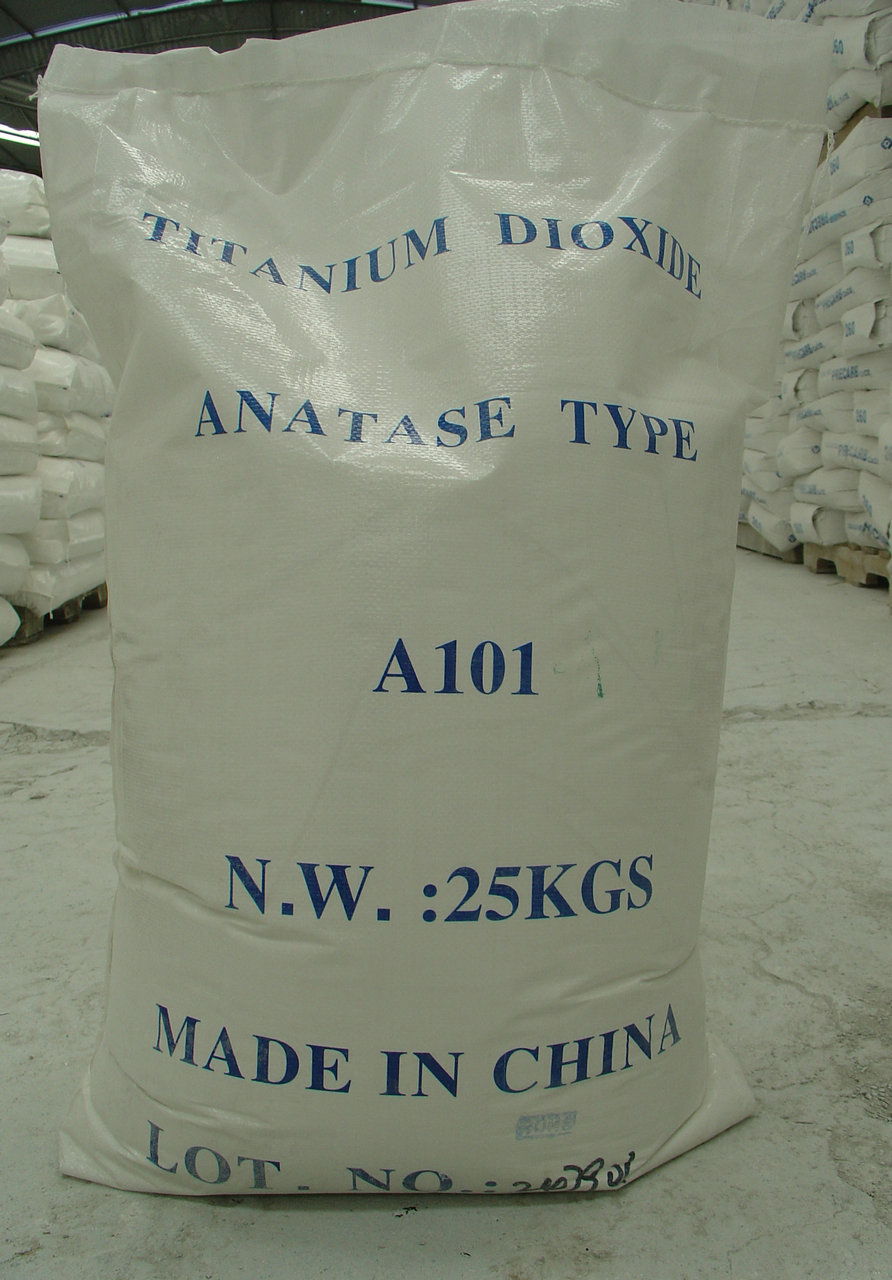
Anatase titanium dioxide is a polymorph of TiO₂ that is characterized by a tetragonal structure. Compared to rutile and brookite, anatase is beneficial for applications that require surface reactivity, dispersibility, and the ability to photocatalyze.
Key features that differentiate this class:
Lower optical density than the rutile
Increased area and energy per surface area.
Absence of light, strong absorption of ultraviolet light.
Superb catalytic ability in the photocatalytic process
These properties explain the popularity of anatase titanium dioxide beyond its traditional usage as a pigment.
Crystal Structure and Physical Properties
The lattice structure of anatase enables the movement of electrons when exposed to ultraviolet light; this is the basis for its photocatalytic behavior. This structural attribute facilitates redox reactions on the surface of the material; this attribute enables the material to be effective in self-cleaning, antibacterial, and environmental cleaning applications.
While anatase is less stable than rutile at high temperatures, its benefits far outweigh the lack of stability in many low-temperature and practical applications.
Anatase vs Rutile Titanium Dioxide: Functional Differences
Although both are TiO₂, anatase and rutile behave very differently in real-world applications.
| Property | Anatase Titanium Dioxide | Rutile Titanium Dioxide |
| Crystal Structure | Tetragonal (anatase) | Tetragonal (rutile) |
| Refractive Index | Lower | Higher |
| Photocatalytic Activity | Very high | Low |
| Weather Resistance | Moderate | Excellent |
| Primary Applications | Functional, catalytic | Pigment, opacity |
Understanding these differences is essential when selecting titanium dioxide for specific industrial uses.
Major Industrial Uses of Anatase Titanium Dioxide
- Coatings and Other Surface Treatments
Anatase titanium dioxide is commonly employed in interior design, specialized paints, and functional surface treatments. While it lacks the same degree of opacity as rutile, it provides a bright, flat surface.
More fundamentally, anatase TiO₂ is integral to the design of photocatalytic coatings that are intended for air purification, odor removal, and self- cleaning of surfaces. These coatings are increasingly employed in hospitals, public facilities, and urban areas.
- Plastic and Polymer Utilizations
In plastics, anatase titanium dioxide is typically used for products intended for interior or low exposure to ultraviolet light; these products have a priority of brightness, consistency, and efficiency.
Its less abrasive nature compared to rutile causes it to be appropriate for use in thin films, fibers, and delicate polymers. Anatase grades are commonly employed in polyethylene, polycarbonate, and other plastics that lack the detrimental effects of photocatalysis.
- Paper and Printing Utilities
The titanium dioxide industry employs anatase to enhance the brightness, opacity, and printability of paper. Its small particle size and outstanding dispersibility enhance the ink’s holdout and the smoothness of the surface.
Compared to rutile, anatase titanium dioxide is typically used in specialty papers, decorative sheets, and high-end printing papers.
- Cosmetic and Personal Care Products
Anatase titanium dioxide is employed in cosmetics as a colorant and ultraviolet filter. In cosmetic powder, it gives shine and smoothness.
Anatase grades of TiO₂ that are treated with surface chemistry are commonly employed to reduce the amount of photocatalytic activity, which ensures the stability of the product and safety of the skin.
- Photocatalysis and environmental applications
One of the most significant applications of anatase titanium dioxide is in photocatalytic systems. When exposed to ultraviolet light, it produces oxygen species that can degrade organic chemicals, bacteria, and viruses.
Useful applications include:
Air conditioning systems for the purification of the air.
Water treatment
Self-cleaning glass and ceramic products
Antibacterial coating
This functional benefit has led to an increase in demand in environmental and green technology fields.
- Energy and Other Topics
Anatase dioxide of titanium is researched and employed in lithium-ion cells, solar cells that are dyed, and hydrogen production.
Its beneficial band gap and property of electron transport make it a significant material in the study of energy and its commercial potential.
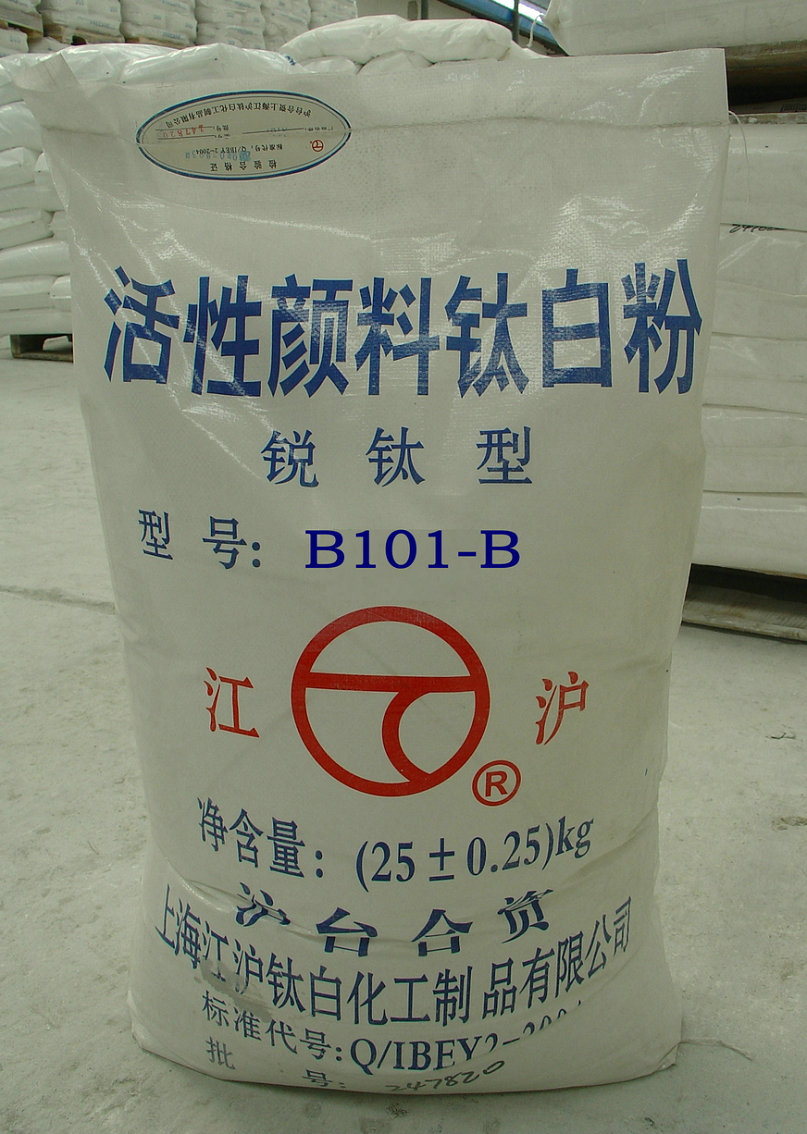
Application Selection Considerations
Anatase titanium dioxide (TiO₂) is commonly employed for its remarkable whiteness, powerful hiding ability, exceptional dispersibility, and catalytic activity as a photothermo. However, choosing the appropriate anatase grade of TiO₂ is complicated by the need to consider the specifics of the application.
- Optical Performance Goals
Different applications have different optical requirements:
Whiteness and brightness are essential to coatings, papers, and plastics.
The intensity of tinting affects the consistency of color and the effectiveness of pigment.
Opacity (the capacity to hide) affects the coverage and cost of effectiveness of a security system.
Those applications that require high visual quality should focus on grades that have a distribution of particles that is optimized and a treatment on the surface that is specific to the application.
- Particle size and distribution
The size of the particle directly affects the performance:
Small particles enhance the whiteness and gloss of the skin.
Uniform distribution increases the dispersibility and consistency of processing.
Large particles may diminish the effectiveness of the photocatalytic process in some instances.
Selecting the proper particle size is crucial to achieving a balanced appearance, long life, and ease of processing.
- Dispersity Traits
Good distribution is crucial to effective processing.
Poor dispersal can lead to agglutination, surface imperfections, and uneven coloration.
Anatase powder with a wide distribution of sizes improves the efficiency of processing and results in a consistent final product.
Surface- treated grades are frequently employed for coating, plastic, and ink.
- Photocatalytic Capacity
Anatase TiO₂ has a greater capacity for photocatalysis than does rutile TiO₂:
Helpful for self-cleaning, antibiotic, and air-purification purposes.
May be disregarded in apps that require long-term UV stability.
Those in environments that have long exposure to ultraviolet light should consider the effects of photocatalysis on the aging of materials.
- Chemical Similarity
Ensure compatibility with the system that will utilize the pigment:
Acid, alkali, and solvent resistance
Stability of water-based or solvent-based suspensions
This is of special significance to coatings, inks, and chemical processes.
- Conditions of Processing
The processing temperature, force used to process, and methods of mixture affect performance:
Anatase TiO₂ should remain consistent during extrusion, combination, or milling.
Sensitivity to heat must be considered in the composition of plastics and the extrusion of compounds.
Selecting a grade that is appropriate for your manufacturing process will minimize defects and material waste.
- Regulatory and Safety Necessities
Different industries have stringent regulations regarding regulatory compliance:
Foods that are in direct contact with food and pharmaceuticals must have high quality and consistency.
Construction and industrial applications may focus on cost-efficiency and long-lasting performance.
Always confirm that REACH, RoHS, FDA, or other relevant regulations are followed.
- Price and performance balance
While anatase TiO₂ is typically more beneficial than low-cost grades of rutile, the selection of products should focus on the total value of performance, not just the price. Higher-quality grades often diminish the amount of formulation needed and increase consistency of the product.
Regulatory and Safety Considerations
Anatase titanium dioxide (TiO₂) is commonly employed in coatings, plastics, paper, cosmetics, and other applications. To ensure the safe use of products and their compliance with the market, manufacturers and consumers must understand the relevant legal regulations and safety requirements.
- Global Regulatory Accountability
Anatase TiO₂ must follow the regulations of regional and international importance depending on its purpose:
REACH (EU): Titanium dioxide is listed under REACH, which necessitates information about chemical properties, exposure, and risk management.
RoHS: Commonly used for electronic and electrical components because of its non-heavy metal composition.
TSCA (US): listed on the TSCA inventory for authorized commercial use.
China IECSC: It’s authorized to legally create and utilize within China.
Always check the documentation of the supplier for verification of regional compliance before purchasing.
- Classifying and Labelling
Titanium dioxide in powder form may be categorized by size and the potential risk of inhalation:
In the EU, TiO₂ is considered a potential carcinogen by inhalation of specific powder types.
Adequate labeling, safety data sheets (SDS), and communication about hazards are imperative.
This categorization primarily concerns the inhalation of airborne dust; it doesn’t address the final stage of product development or the binding of the product.
- Occupational Safety and Health
To reduce the amount of exposure in the workplace:
Enact dust mitigation measures (local exhaust ventilation, confined storage)
Wear the appropriate personal protective equipment (PPE) such as masks or respirators.
Consciously follow the occupational exposure limits (OELs) established by local officials.
Good hygienic practices in industry are responsible for a significant decrease in the risk of health damage during processing or handling.
- Product-specific regulations regarding the application of products.
Different industries have different requirements.
Food-contact materials: Only the purest, approved grades are permitted, subject to the FDA or the EU.
Cosmetic: They must follow the regulations for cosmetic products (e.g., the EU Cosmetic Regulation, the FDA’s guidelines on safety), specifically regarding the size and purity of particles.
Pharmaceuticals: Impose stringent quality oversight, traceability, and pharmacopeia compliance.
Before widespread release, application-specific approval is crucial.
- Safety Considerations regarding the Environment
Anatase TiO₂ is chemicalally steady and poses no toxic threat to the environment when used in the typical manner.
The disposal of waste should comply with environmental regulations in the local area.
Avoid the release of small particles into the air or water without control.
Recycling or controlled disposal on land is typically advised.
Environmental impact evaluations may be necessary for significant industrial projects.
- Transport and Storage Necessities
Regarded as non-toxic for travel under the majority of international laws.
Keep in dry, well-ventilated areas to avoid dust buildup.
Effective packaging reduces contamination and moisture absorption.
- Documentation and Trackability
Mainstream suppliers should fulfill:
Safety Data Sheets (SDS)
Certificates of Analysis (COA)
Statements regarding regulatory compliance
Complete documentation facilitates efficient audits and regulatory examinations.
FAQ: Anatase Titanium Dioxide
Q1: What is the primary purpose of anatase titanium dioxide?
Anatase titanium dioxide is primarily employed in coatings, plastics, paper, cosmetics, and photocatalytic endeavors that require surface activity.
Q2: Is the safety of anatase titanium dioxide guaranteed?
When formulated and treated properly, anatase titanium dioxide is considered safe for intended industrial and consumer uses.
Q3: What is the reason for anatase’s superiority in photocatalysis?
Its crystal structure facilitates the efficient excitation of electrons in the ultraviolet region, which enables strong chemical reactions that are photocatalyzed.
Q4: Can anatase titanium dioxide have the same function as rutile?
Not entirely. Anatase and rutile have different functions, and the selection of one or the other is based on the requirements of performance.
Q5: Does anatase titanium dioxide occur in the outdoors?
It’s possible to utilize it outside in controlled environments, but rutile is typically preferred for long-term weather resistance.
Conclusion
Anatase titanium dioxide is a versatile material that is functionally significant and has applications that extend beyond traditional pigmentation. Its peculiar photodietic attributes, surface activity, and distribution characteristics make it essential in coatings, plastics, environmental technology, and advanced materials. Understanding the purpose of anatase titanium dioxide allows manufacturers to select the appropriate grade for maximum performance, regulatory compliance, and long-term value.
