
Abstract:
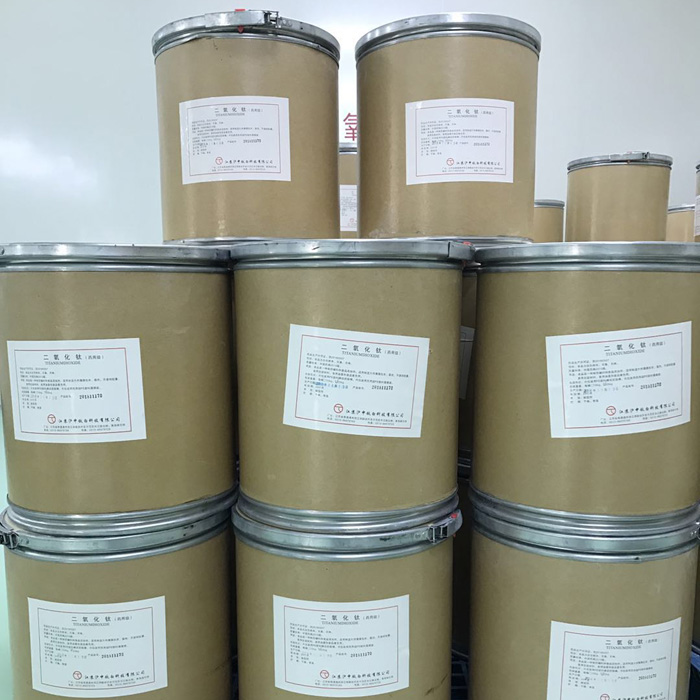
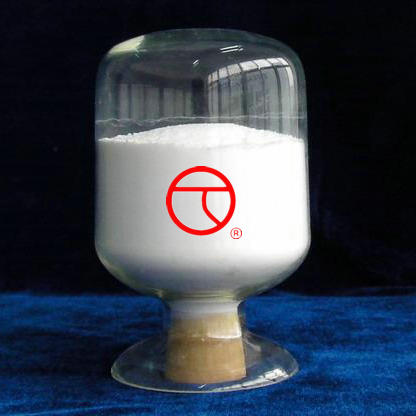
Chemical fiber titanium dioxide has a significant impact on modern synthetic fiber production; it is not simply a colorant but also serves as an essential component in the production of synthetic fibers.
Titanium dioxide pigments and man-made fibers by R.W. Moncrieff, the dioxide of titanium is specifically designed to enhance the optical properties, ultraviolet resistance, uniformity of fibers, and long-term stability.
Unlike the common general-purpose titanium dioxide grades that are used in coatings or plastics, chemical fiber titanium dioxide is specifically designed to be compatible with polymers, have a stable dispersive state, and perform well during the melt spinning and solution spinning processes.
This article first describes the chemical composition of titanium dioxide, then studies the function of this chemical in the fiber matrix, its utilization in the chemical industry, and the reasons why it is still important in the global chemical fiber industry.
Introduction: Why Chemical Fiber Titanium Dioxide Matters
The worldwide chemical fiber industry produces billions of tons of synthetic fibers every year, which are used in the production of apparel, domestic textiles, industrial fabric, and technical applications. Behind the appearance, performance, and longevity of these fibers is a variety of functional additives, among them, chemical fiber titanium dioxide is paramount to one of the most important of these fibers.
Despite its common name as a white pigment, its chemical composition is much more complex than that. In fiber manufacturing, titanium dioxide directly influences optical opacity, UV stability, fiber morphology, thermal behavior, and downstream textile performance. As consumers demand greater comfort, longevity, and aesthetics, the functional importance of chemical fiber titanium dioxide continues to increase.
Understanding the chemical composition of titanium dioxide requires understanding its material science foundations as well as its commercial application principles.
What Is Chemical Fiber Titanium Dioxide?
Chemical fiber titanium dioxide is concerned with specialized grades of titanium dioxide that are intended specifically for use in man-made fibers. These fibers include polyester (PET), nylon (PA), polypropylene (PP), acrylic, viscose, and acetate.
Unlike the common pigment-grade form of titanium dioxide, chemical fiber titanium dioxide is composed of:
- A controlled amount of smaller particles
- High quality and low contamination
- Superior dispersive properties
- Effective surface treatments
- Constant thermal and chemical stability during rotation
Its purpose is not simply to whiten fibers, but to increase the performance of fibers throughout processing, utilization, and the lifespan of the product.
Types of Titanium Dioxide Used in Chemical Fibers
- Anatase and Rutile Titanium dioxide
Chemical fiber titanium dioxide is primarily composed of the anatase crystal form, although other grades of titanium are utilized in specific situations.
Titanium dioxide from Anatase
Increased whiteness and radiance
More uniformity in the composition of polymeric melts.
Less harsh
Preferred for many textile components
Titanium dioxide from Rutile
superior ultraviolet resistance
Higher contrast ratio
Utilized in the outdoors or in high-UV industrial fibers.
The distinction between anatase and rutile is based on the fiber type, the purpose of the fiber, and the conditions in which it is processed.
Primary Uses of Chemical Fiber Titanium Dioxide
- Optical Brightening and Opacity Reduction
One of the most common uses of chemical fiber titanium dioxide is to scatter light. Titanium dioxide particles have a high refractive index, which causes them to scatter light invisibly; this creates the effect of openness and uniform whiteness in fibers.
In chemical fibers, this function is of paramount importance for:
Destroying the transparency of the fiber optic cable
Increasing the amount of fabric over the head
Increasing the uniformity of color
Maintaining color uniformity
Without titanium dioxide, many synthetic fibers would appear to have a translucent appearance, which would negatively affect both aesthetics and perceived quality.
- UV Protection and Fiber Stability
Chemical fiber titanium dioxide functions as an effective ultraviolet light absorber and scatterer, which prevents the polymeric chains from being degraded by ultraviolet light.
This function is of great importance in:
Outside textiles
Car interior design
Industrial supplies
Farming fabric
By decreasing the amount of UV light that reaches the fiber, chemical fiber titanium dioxide helps to maintain the fiber’s strength, stretchiness, and appearance over extended time periods that are extended.
- Temperature and processing increase
During the melt spinning and drawing processes, polymeric materials are subjected to temperatures that are high in comparison to their volume and shear forces. The chemical composition of fiber titanium dioxide is as follows:
Increased heat dissipation efficiency
Constant temperature melt flow
Decreased thermal deterioration
Increased spinnability
Dispersed titanium dioxide particles serve to regulate the distribution of heat within the polymer matrix, which diminishes the likelihood of defects like filament failure or uneven distribution.
- Fiber Morphology and Control of Cross-Section
Titanium dioxide has an effect on the behavior of fiber crystals and the microstructure of the material. Effectively absorbed and excreted, chemical fibers are composed of titanium dioxide.
Promote consistent crystal formation
Increase the roundness of the filament.
Increase the fiber’s dimensional stability.
This leads to fibers that have a better mechanical strength and have a positive effect on the performance of downstream processes in textile manufacturing.
Chemical Fiber Titanium Dioxide in Different Fiber Types
- Polyester (PET) fibers
In polyester fibers, chemical fiber titanium dioxide is employed to:
Increase the opacity of the object
Increase the whiteness of the index.
Reduce the photo-sensitivity of yellowing.
Increase the durability of clothing and domestic textiles.
PET fibers have the greatest worldwide consumption of chemical fiber titanium dioxide.
- Nylon (Polyamide) fibers
In the nylon fibers, titanium dioxide offers:
UV stabilization
Increased surface quality
Less apparent static
This is of special importance in carpet fibers, automotive fabric, and technical fabric.
- Acrylic Fibers
Acrylic fibers are facilitated by titanium dioxide via:
Increased radiance
Increased weather resistance
Increased long-term color stability
Anatase levels are most commonly employed in acrylic-based fiber systems.
- Viscose and Recombined cellulose fibers
In viscose fibers, chemical fiber titanium dioxide is employed to:
Increase the opacity of the object
Increase the transparency of the fiber
- Diminishes the transparency of lightweight fabric
Here, the stability of the solution is of paramount importance due to the spinning processes involved in the solution.
Comparison Table: Chemical Fiber Titanium Dioxide vs General Pigment Grades
| Property | Chemical Fiber Titanium Dioxide | General Pigment Titanium Dioxide |
| Particle size control | Highly controlled | Broad distribution |
| Dispersion in polymers | Excellent | Moderate |
| Abrasiveness | Low | Higher |
| Impurity content | Very low | Variable |
| Suitability for spinning | Optimized | Limited |
| Fiber performance impact | Functional enhancement | Mainly coloration |
Surface Treatment and Dispersion Technology
Chemical fiber titanium dioxide is typically coated with inorganic or organic materials to enhance compatibility with polymers.
Common surface treatments include:
Alumina or silica coating
Organic scatterers
Agitation reducers
These procedures enhance:
Melt migration
The processing of the data is guaranteed
Fiber consistency
Less frequent changes of direction
Surface engineering is one of the primary ways that differentiates high-end from standard titanium dioxide grades.
Role in Sustainable and Recycled Fibers
Titanium dioxide has a significant role in the creation of chemical fibers that are sustainable and reusable.
- Increasing the Fiber’s Appearance
Increases the transparency and whiteness of the plastic, covering up the common color issues in recycled polymer supplies
Facilitates the creation of high-quality reusable fibers that are aesthetically pleasing for clothing and domestic textiles.
- Advocating for a circular economy
Allows for a higher percentage of recycled content while still maintaining a uniform visual appearance.
Reduces the necessity of additional colorants or enhancements.
- Robustness and longevity
Certain TiO₂ levels can shield fibers from photodamage, which is done by providing an ultraviolet barrier to the fibers.
The longer product lifespan results in a lower environmental impact over the long haul.
- Energy and Efficiency of the Process
The optimized distribution of TiO₂ enhances the stability of the spin, which decreases waste and reprocessing.
Helps to maintain the consistent properties of fiber in melt-spinning and solution-spinning processes.
Health, Safety, and Regulatory Considerations
The utilization of titanium dioxide in chemical fibers is regulated by stringent safety regulations and guidelines:
- Safety of the worker
TiO₂ is considered to be chemically inactive, but small particles require dust control during transportation.
Effective ventilation, personal protective equipment (PPE), and confined feeding are all common practices.
- Consumer Safety
When incorporated into fibers, TiO₂ is physically associated with the polymeric matrix, which decreases the probability of exposure.
Finished textiles that contain TiO₂ are generally considered to be safe to be worn on the skin.
- Regulatory compliance
EU REACH: Titanium dioxide is considered a substance of concern in a powdered form; the utilization of fibers is typically compliant.
OEKO-TEX® STANDARD 100: Establishes rules for substances that can be extracted, ensuring the safety of consumers.
ISO and ASTM regulations: The procedure of testing fiber quality and performance consistency.
- Environmental Considerations
Today, the production of modern TiO₂ is primarily concerned with low-emission methods and waste reduction.
Manufacturers focus on improving the dispersibility of grades to reduce the amount of material used per unit of production.
FAQ: Chemical Fiber Titanium Dioxide
Q1: What is the primary purpose of chemical fiber titanium dioxide?
It’s employed to enhance the transparency, whiteness, resistance to ultraviolet light, stability during processing, and longevity of synthetic fibers.
Q2: Is chemical fiber titanium dioxide different from regular titanium dioxide?
Yes. It’s specifically designed for use in fiber spinning processes that have a controlled particle size, low erosion, and superior distribution.
Q3: What fibers utilize chemical fiber titanium dioxide to the greatest degree?
Polyester fibers are the largest consumer of this type, followed by nylon, acrylic, and viscose fibers.
Q4: Does chemical fiber titanium dioxide affect the strength of fibers?
When formulated and spread out properly, it will either maintain or improve the long-term mechanical stability.
Q5: Is anatase or rutile more beneficial to chemical fibers?
Anatase is typically used for fabricated goods, while rutile is employed when increased ultraviolet resistance is desired.
Conclusion
What is the purpose of the chemical fiber titanium dioxide? It’s more than a whitening pigment: it’s a functional component that directly affects the appearance, consistency, and efficiency of synthetic fibers in processing. From enhancing the optical density of fibers and their resistance to ultraviolet light, to maintaining the stability of chemical fibers and sustaining their production, titanium dioxide is still important to the chemical fiber industry.
As the standards for textile performance increase and sustainability concerns alter the material choices that are made, the role of chemical fiber titanium dioxide will only become more integral; this will make it a fundamental component of both current and future fiber technologies.
