
Abstract:
Titanium dioxide (TiO₂) is one of the most widely used inorganic materials in modern industry, favored for its high refractive index, chemical stability, and excellent whitening and light-blocking properties.
According to risk assessments by the *Pictures Handbook* (Wiley), the *Ullman Encyclopedia of Industrial Chemistry*, and the International Agency for Research on Cancer (IARC), the European Food Safety Authority (EFSA), and the U.S. Environmental Protection Agency (EPA), titanium dioxide cannot be categorized as “good” or “bad,” but rather its crystal form, particle size, exposure pathways, and application environment must be considered. In particular, anatase titanium dioxide and titanium dioxide made from synthetic fibers are suitable for industrial applications where human contact is indirect and strictly controlled.
This article provides a comprehensive, industry-oriented analysis of whether titanium dioxide is good or bad for you, clarifying misconceptions and examining scientific evidence, regulatory perspectives, and real-world applications.
Introduction: Why Titanium Dioxide Safety Is So Widely Debated
Few substances in industry have caused as much controversy as titanium dioxide. Frequently discussed in conversations about food additives, cosmetics, textiles, and plastics, TiO₂ is typically described in simple terms— either as a safe whitening agent or as a potential health threat.
The query “Whether or not titanium dioxide is beneficial to you” has increased in popularity primarily because of the regulatory changes in Europe and the increased awareness of consumers. However, from a commercial perspective, this question is lacking clarification without specifying the type of titanium dioxide used, its application method, and the exposure conditions.
This is of special significance when discussing Anatase titanium dioxide and Chemical fiber titanium dioxide, the latter of which is primarily intended for use in industrial and material-related applications rather than as a direct form of ingestion.
What Is Titanium Dioxide?
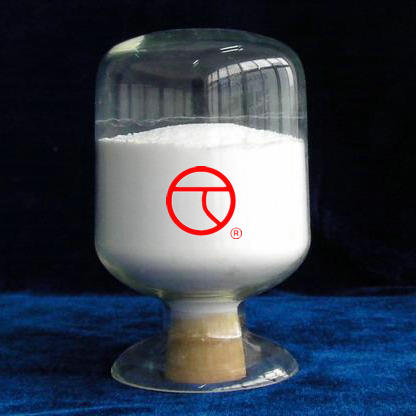
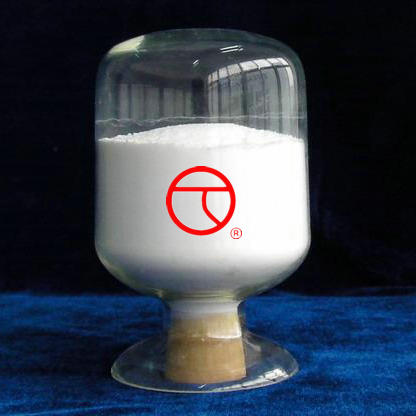
Titanium dioxide (TiO₂) is an inorganic compound derived from titanium-containing minerals. It is a white powder highly valued for its following properties:
High hiding power
UV resistance
Chemical inertness
Thermal stability
These properties make titanium dioxide indispensable in numerous industries.
Crystal Forms of Titanium Dioxide
Titanium dioxide (TiO₂) exists naturally and can also be synthesized artificially. It mainly exists in three crystal forms: anatase, rutile, and brookite. Each crystal form possesses specific physical, chemical, and optical properties that influence its industrial applications.
- Anatase Titanium Dioxide
Crystal Structure: Tetragonal
Key Characteristics:
High whiteness and brightness
Strong photocatalytic activity
Small particle size and good dispersibility
Typical Applications:
Paper and coatings
Plastics and fibers
Photocatalysts and self-cleaning materials
Anatase titanium dioxide is highly favored due to its excellent optical properties and surface activity.
- Rutile Titanium Dioxide
Crystal Structure: Tetragonal (more compact than anatase)
Key Properties:
Higher refractive index
Excellent UV resistance and durability
Lower photocatalytic activity
Typical Applications:
Exterior coatings and paints
Plastics exposed to sunlight
Cosmetics and sunscreens
Rutile titanium dioxide is the preferred choice when long-term stability and weather resistance are critical.
- Borosilicate Titanium Dioxide
Crystal Structure: Orthorhombic
Key Properties:
Rarest and most difficult to prepare
Metastable, low commercialization rate
Unique electronic properties
Typical Applications:
Specialized research
Advanced photocatalysis and nanotechnology
Borosilicate titanium dioxide is mainly used in academic and experimental research, with limited application in large-scale industrial production.
Anatase Titanium Dioxide: Properties and Applications
Anatase titanium dioxide (TiO₂) is one of the main crystal forms of titanium dioxide, widely used in industries requiring high brightness, excellent dispersibility, and strong surface activity. Compared to rutile titanium dioxide, anatase titanium dioxide offers significant optical and chemical advantages, making it particularly suitable for functional and high-performance applications.
Key Properties of Anatase Titanium Dioxide
- Crystal Structure and Morphology
Anatase titanium dioxide has a tetragonal crystal structure, with a more open lattice than rutile titanium dioxide. This structure contributes to:
Smaller particle size
Larger specific surface area
Higher surface reactivity
These properties improve its dispersibility and interaction with surrounding materials.
- Optical Properties
Anatase titanium dioxide is characterized by:
High whiteness and brightness
Good light scattering properties
A pure blue undertone
These optical properties make it ideal for applications requiring high appearance and color purity.
- Photocatalytic Activity
Among all TiO₂ crystal forms, anatase exhibits the strongest photocatalytic activity. Under UV light, it can:
Decompose organic compounds
Inhibit bacterial growth
Reduce surface contaminants
This property is critical in environmental and functional material applications.
- Dispersibility and Processing Advantages
Anatase TiO₂ typically shows:
Easier dispersion in aqueous and polymer systems
Lower abrasiveness to processing equipment
Good compatibility with fibers and coatings
These advantages help improve processing efficiency and final product consistency.
Applications of Anatase Titanium Dioxide
- Chemical Fibers and Textiles
Anatase TiO₂ is widely used as a delustrant in synthetic fibers such as polyester, nylon, and viscose. It helps:
Reduce fiber gloss
Improve visual softness
Enhance uniform appearance
Its fine particle size ensures smooth spinning and stable fiber performance.
- Paper and Paper Coatings
In paper applications, anatase TiO₂ provides:
Improved opacity and brightness
Better ink receptivity
Enhanced surface smoothness
It is commonly used in high-grade printing and decorative papers.
- Plastics and Polymer Products
Anatase TiO₂ is applied in indoor plastic products where UV resistance demands are moderate. Benefits include:
Color enhancement
Improved surface finish
Cost-effective pigmentation
- Coatings and Inks
In interior coatings and inks, anatase TiO₂ delivers:
Excellent color strength
High hiding power
Stable dispersion
Its photocatalytic activity can also contribute to self-cleaning or antibacterial coating systems.
- Photocatalytic and Environmental Applications
Thanks to its strong surface activity, anatase TiO₂ is used in:
Air and water purification systems
Self-cleaning glass and ceramics
Antibacterial and deodorizing materials
What Is Chemical Fiber Titanium Dioxide?
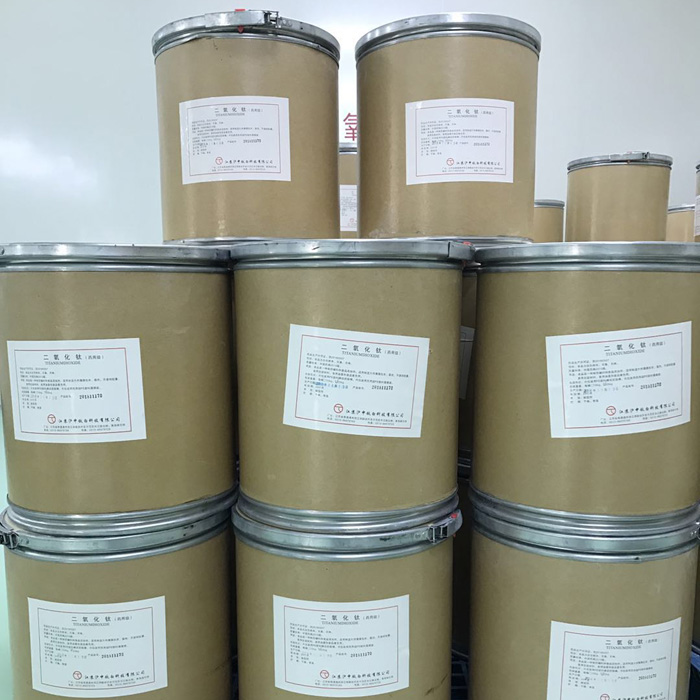
Chemical fiber titanium dioxide refers to TiO₂ grades specifically engineered for synthetic fiber production, including polyester, nylon, and viscose fibers.
These grades are optimized for:
Uniform particle size distribution
High dispersion in polymer melts
Thermal stability during spinning
Minimal impact on fiber mechanical properties
Chemical fiber titanium dioxide is not used as a standalone substance; it becomes an integral part of the fiber structure.
Why is Titanium Dioxide Widely Used in Chemical Fibers?
In synthetic fibers, titanium dioxide provides:
Opacity to reduce fiber transparency
Improved light diffusion
Enhanced aesthetic appearance
UV resistance
Without chemical fiber titanium dioxide, many textile products would appear glossy, translucent, or visually inconsistent.
Exposure Pathways: The Key to Understanding Safety
To assess whether titanium dioxide is good or bad for you, exposure pathways must be considered:
Inhalation
Ingestion
Dermal contact
For Anatase titanium dioxide and Chemical fiber titanium dioxide, exposure is primarily occupational rather than consumer-based.
Occupational Exposure vs Consumer Exposure
In industrial settings, workers may be exposed to TiO₂ dust during manufacturing. This is why workplace exposure limits and dust control measures are strictly regulated.
For consumers, exposure to chemical fiber titanium dioxide is negligible because the particles are locked within the polymer matrix.
Scientific Assessments of Titanium Dioxide Safety
- IARC Classification
The IARC classifies titanium dioxide as Group 2B (possibly carcinogenic to humans) only by inhalation and only at high concentrations of airborne dust. This classification does not apply to ingestion or dermal exposure.
- EFSA Evaluation
In 2021, EFSA concluded that titanium dioxide could no longer be considered safe as a food additive due to uncertainties related to genotoxicity. Importantly, this assessment does not apply to industrial-grade titanium dioxide used in fibers or plastics.
- U.S. EPA Perspective
The U.S. EPA continues to permit titanium dioxide in a wide range of industrial and consumer applications, citing insufficient evidence of harm under regulated exposure conditions.
Is Titanium Dioxide “Good” for You in Industrial Products?
From a materials science perspective, titanium dioxide provides clear benefits:
Improved durability
Enhanced UV protection
Better aesthetic performance
In chemical fibers, these benefits directly translate to longer-lasting textiles and improved product quality.
Is Titanium Dioxide “Bad” for You?
Titanium dioxide becomes a concern primarily when:
Inhaled as fine dust over long periods
Used in nano-sized, unbound forms
Exposure is uncontrolled
These conditions are not representative of chemical fiber titanium dioxide applications.
Comparison Table: Application Context and Risk Profile
| Application Context | TiO₂ Type | Exposure Route | Risk Level |
| Chemical fibers | Chemical fiber titanium dioxide | Encapsulated in polymer | Very low |
| Plastics | Anatase titanium dioxide | Encapsulated | Very low |
| Industrial powder handling | Anatase TiO₂ dust | Inhalation | Controlled |
| Food additive | TiO₂ (E171) | Ingestion | Regulatory concern |
Why is Chemical Fiber Titanium Dioxide Considered Low Risk?
Chemical fiber titanium dioxide is engineered for process stability and safety, not for biological interaction. Once incorporated into fibers, it is physically immobilized and cannot migrate.
Regulatory Compliance in the Chemical Fiber Industry
Manufacturers of chemical fiber titanium dioxide comply with:
REACH regulations
OSHA exposure limits
ISO material safety standards
These frameworks ensure safe handling and application.
FAQ: Titanium Dioxide
Q1: Is anatase titanium dioxide safe?
Yes, when used in industrial applications such as plastics and fibers, anatase titanium dioxide is considered safe under regulated conditions.
Q2: Is chemical fiber titanium dioxide harmful to consumers?
No. It is encapsulated within fibers, resulting in negligible exposure.
Q3: Why was titanium dioxide banned in food in the EU?
The ban was based on uncertainty related to ingestion, not industrial or textile use.
Q4: Can titanium dioxide enter the body through skin contact?
Scientific evidence indicates minimal skin penetration for non-nano TiO₂ particles.
Q5: Is titanium dioxide environmentally dangerous?
It is environmentally stable and inert, with low ecological toxicity in solid applications.
Conclusion
So, is titanium dioxide good or bad for you? The answer depends entirely on context. When discussing Anatase titanium dioxide and Chemical fiber titanium dioxide, the scientific and industrial consensus is clear: these materials are safe and beneficial when used as intended within regulated industrial applications. Concerns surrounding titanium dioxide largely stem from specific exposure routes and use cases that do not apply to chemical fiber and polymer-based products. Understanding these distinctions is essential for informed decision-making in both industry and public discourse.
