 コンテンツへスキップ
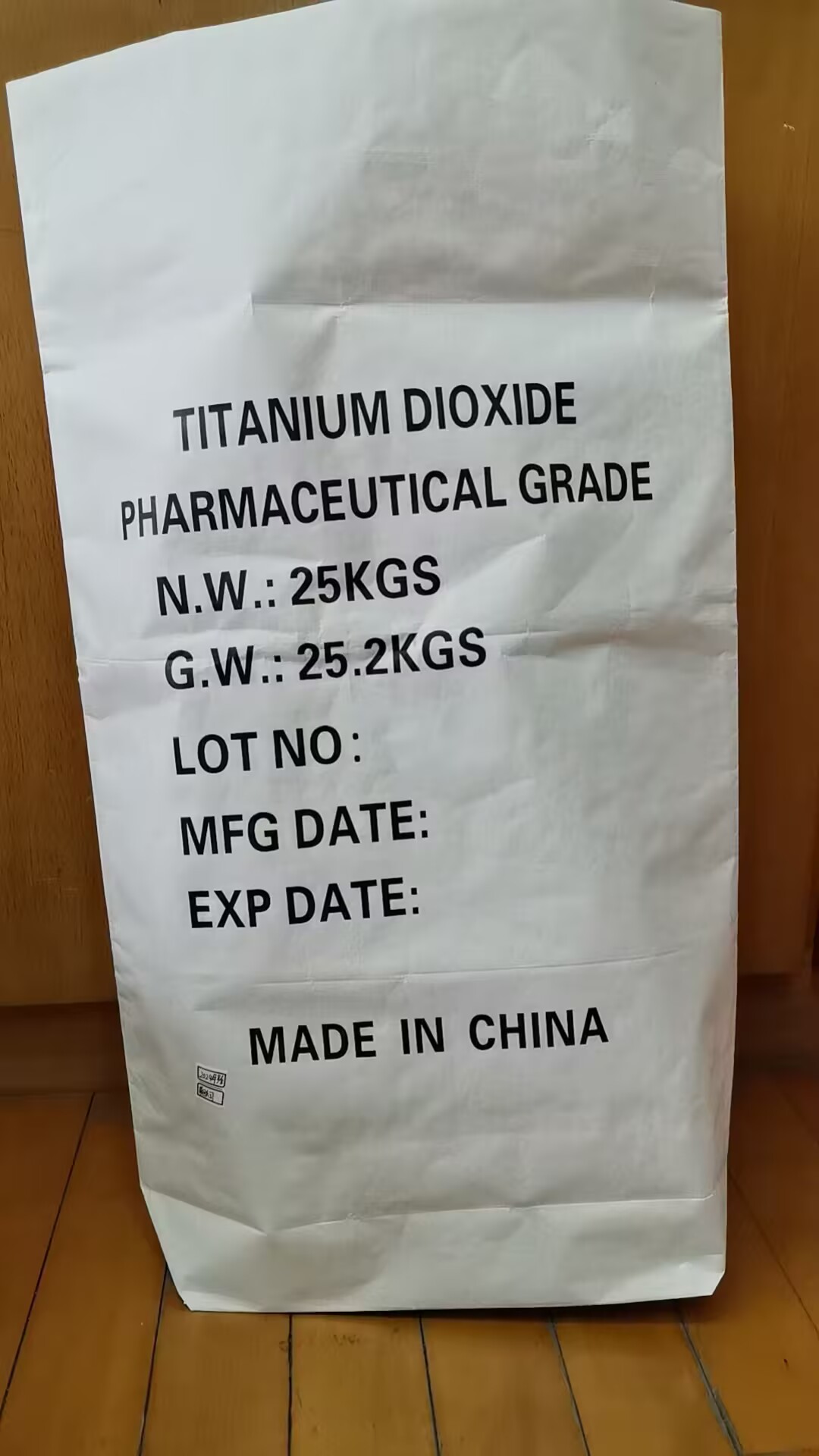
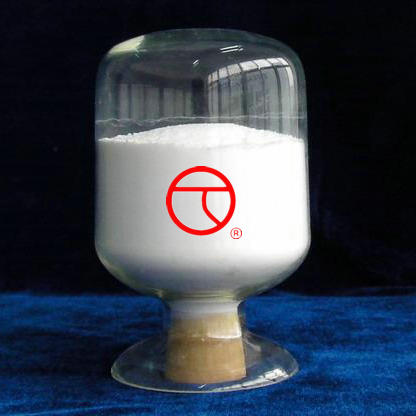
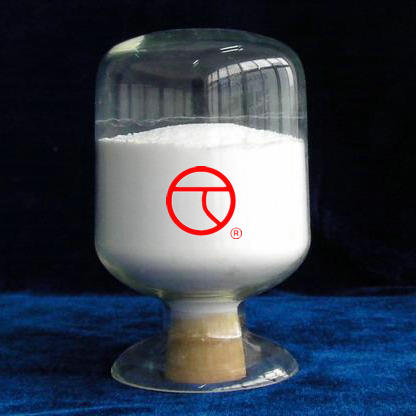
はじめに
You are sourcing ルチル型酸化チタン for your paint formulation. Last quarter, the price was steady. This quarter, it jumped $100 per ton. Your procurement team wants to know why, and your finance team needs a forecast. You need answers — fast.
The price of rutile titanium dioxide doesn’t move randomly. It’s shaped by several key factors: raw material costs, global supply and demand, production technology, energy prices, and trade policies. Understanding these is what separates buying at the right time from overpaying for your next shipment.
Rutile titanium dioxide commands a premium in the pigment market. In 2025, the rutile-grade segment held an 85.2 percent share and is expected to grow at a 5 percent CAGR through 2035, thanks to its durability, color stability, and opacity in high-performance architectural and automotive coatings. But a premium doesn’t mean the price is stable. So what really drives rutile titanium dioxide pricing? Let’s break it down.
Feedstock costs account for over half of rutile titanium dioxide production expenses
The single largest factor directing the price of rutile titanium dioxide is the cost of titanium-bearing feedstocks. This should be your first stop when analyzing any price movement.
Rutile titanium dioxide is produced from titanium ore feedstocks — primarily ilmenite, titanium slag, and natural rutile. These raw materials typically account for 50 to 60 percent of total production costs. When feedstock prices rise, manufacturers have no choice but to pass those increases downstream.
In late 2025, the market saw exactly this dynamic play out. Fourteen major TiO₂ producers in China simultaneously announced price increases of $100 per ton in both domestic and international markets, citing surging costs of ilmenite and sulfuric acid. The cost pressure was not subtle. Sulfuric acid prices in Hunan reached 800 to 900 RMB per ton, while in Guangdong they hit 880 to 950 RMB per ton. By the end of 2025, rutile-grade TiO₂ prices had moved to $1,930 to $2,010 per ton — a $100 increase from the previous week.
Here is what the feedstock market looked like in 2025:
| Feedstock Type | Price Range (2025) | Key Drivers |
|---|---|---|
| Ilmenite (38% grade) | $154–$240/ton | Weak demand, high downstream cost pressure |
| High titanium slag | $817–$935/ton | Significant price declines due to oversupply |
| Mozambique titanium ore | ~$350/ton | Relatively stable import prices |
| Vietnamese B-grade ore | $290–$305/ton | Steady import market |
The feedstock picture is not uniform. Ilmenite prices for small and medium manufacturers ranged from $230 to $240 per ton, while 38-grade titanium ore was priced at approximately $154 to $172 per ton. High titanium slag saw significant price declines to around $817 per ton, reflecting a $63 drop from the previous month due to weak demand. Import prices remained more stable, with Mozambique titanium ore at about $350 per ton and Vietnamese B-grade ore at $290 to $305 per ton.
The connection between feedstock and final product pricing is direct and measurable. When the titanium ore (ilmenite) market remains weak with prices between $235 and $245 per ton, rutile titanium dioxide prices face downward pressure. When ilmenite and sulfuric acid costs surge, producers raise prices immediately. If you track rutile titanium dioxide prices without tracking feedstock costs, you are missing half the story.
Global supply-demand imbalances create sustained price pressure
Feedstock costs push ルチル型酸化チタン prices up, but supply and demand determine whether these increases stick.
China, the world’s largest producer, saw production capacity decline slightly from 5.9 million tons in 2024 to 5.7 million tons in 2025. Actual output reached 4.72 million tons, with capacity utilization at only 77–78 percent, highlighting persistent overcapacity. Some smaller producers even shut down due to losses and competition, such as Xuzhou Titanium Dioxide’s 80,000-ton plant closure in January 2026.
Meanwhile, new mega-scale projects are adding over 1 million tons per year. If completed, China’s capacity could exceed 7 million tons, more than 70 percent of the global market.
On the demand side:
- China’s titanium dioxide consumption grew marginally by 1.06% in H1 2025.
- Real estate sector adjustments slowed coating demand.
- The plastic and paper industries showed limited growth.
- Export markets faced anti-dumping duties, further suppressing demand.
The global ルチル型酸化チタン market was valued at $20.71 billion in 2025, with paints and coatings taking over 60% of the share. Oversupply continues to cap price growth, even when feedstock costs rise.
Chloride and sulfate processes create two distinct pricing tiers
Not all ルチル型酸化チタン is created equal. Production method strongly affects price and performance.
Chloride process:
- Uses high-grade feedstocks (natural or synthetic rutile, TiO₂ > 90%)
- High brightness, excellent tinting strength, and low impurities
- Superior dispersion in water-based and solvent-based systems
- Price premium: 10–20% over sulfate-grade
Sulfate process:
- Uses ilmenite (50–65% TiO₂) or titanium slag
- Moderate brightness, slightly higher impurities
- Lower cost, dominant in regions with abundant ilmenite
- Suitable for standard paints, construction coatings, and general inks
The table below summarizes the key differences:
| Factor | Chloride Process | Sulfate Process |
|---|---|---|
| Typical feedstock | Rutile or synthetic rutile (90%+ TiO₂) | Ilmenite or titanium slag (50–65% TiO₂) |
| Brightness and purity | Very high, low impurities | Moderate, more impurities |
| 着色強度 | Higher, less pigment is needed for the same opacity | Lower, more pigment is required |
| Dispersion performance | Excellent in water-based and solvent-based systems | May require additional dispersion aids |
| Environmental impact | Lower waste generation, cleaner operation | Higher acidic waste requires careful treatment |
| Capital investment | Higher, more sophisticated equipment | Lower, simpler technology |
| Typical price | Premium (10–20% higher) | Standard (base price) |
Economic and environmental pressures continue shifting the global balance of titanium dioxide production away from sulfate-based manufacture toward the more cost-effective and cleaner chloride route. As more chloride capacity comes online, the pricing dynamics between the two processes may evolve — but the quality gap will likely persist.
Energy costs and environmental compliance add layers of price pressure
Beyond feedstock and technology, energy and environmental compliance are two additional cost drivers affecting ルチル型酸化チタン pricing.
Titanium dioxide production is highly energy-intensive. The chloride process requires temperatures above 1,000°C, while the sulfate process involves multiple heating stages such as drying, calcination, and milling. Natural gas, electricity, and coal prices, therefore, have a direct impact on production costs. In 2025, continued volatility in global energy markets helped establish a higher cost floor for ルチル型酸化チタン.
Environmental compliance is also becoming more costly, especially in China, which accounts for about half of global production. The sulfate process generates large volumes of acidic waste — around 6 to 8 tons per ton of TiO₂ — requiring treatment and disposal. Stricter emissions rules and waste-handling requirements have forced smaller plants to upgrade or shut down, and these costs are ultimately passed into ルチル型酸化チタン pricing.
The European Union has also tightened regulations on titanium dioxide, including stricter emissions controls and restrictions in certain end-use applications such as food and supplements. While these rules mainly affect downstream demand, they still add indirect compliance pressure across the supply chain.
Regional market dynamics create price variations across geographies
Although ルチル型酸化チタン is globally traded, prices vary significantly by region due to supply-demand balance, trade policy, and production costs.
Asia-Pacific leads the global market, with China as both the largest producer and consumer, effectively setting global benchmark pricing. In 2025, domestic ルチル型酸化チタン prices in China averaged 14,326 RMB per ton, down 10.29 percent year-on-year due to weak demand and competition. Export prices ranged from $1,765 to $1,904 per ton, with chloride-grade products carrying a slight premium.
Key regional factors include:
- North America: Strong demand from construction and automotive coatings, with pricing influenced by imports and trade policy.
- Europe: Higher production costs due to energy prices and stricter environmental regulations, supporting higher chloride-grade pricing.
- Trade policies: Anti-dumping duties on Chinese exports continue to reshape global flows, creating regional price gaps for ルチル型酸化チタン.
Market forecasts point to continued volatility with long-term growth
Short-term pricing for ルチル型酸化チタン remains volatile. Cost pressures from feedstocks, energy, and compliance remain elevated. Sulfuric acid prices, for example, rose sharply from 2024 to 2025, pushing producers to raise prices even in weak demand conditions.
In late 2025, multiple producers implemented synchronized price increases of around $100 per ton, driven by rising costs and inventory pressure. However, weak downstream demand limited the sustainability of these increases. Industry margins were severely compressed, with average profits turning negative in 2025.
Despite short-term pressure, medium- to long-term fundamentals remain stable. Industry consolidation continues as inefficient producers exit the market. Demand growth is supported by infrastructure development and industrial expansion in emerging markets such as Southeast Asia, India, and the Middle East.
The global titanium dioxide market is projected to grow steadily, with ルチル型酸化チタン maintaining its dominant position due to performance advantages in coatings, plastics, and packaging applications.
What buyers should track when forecasting rutile titanium dioxide prices
If you purchase rutile titanium dioxide for your manufacturing operations, you do not need to predict the future. You need to track the right indicators.
Here is your practical tracking checklist:
Track titanium feedstock prices weekly. Ilmenite, titanium slag, and natural rutile prices are published by industry data services. Watch for sustained trends — two to three weeks of rising feedstock prices typically precede TiO₂ price increases by four to six weeks. Pay particular attention to high-grade feedstock (TiO₂ above 90 percent), as this directly affects chloride process costs.
Monitor China’s production capacity announcements. China accounts for roughly 50 percent of global titanium dioxide production. New capacity announcements or plant shutdowns in China move global prices. Track operating rates — when rates fall below 75 percent, expect pricing pressure; when rates rise above 85 percent, expect tightening supply and potential price increases.
Watch the sulfur and sulfuric acid markets. For the sulfate process TiO₂, which still accounts for a significant portion of global production, sulfuric acid is a major cost component. Monitor sulfur prices, which have been volatile, and regional sulfuric acid prices. When sulfuric acid prices spike, expect sulfate-grade rutile titanium dioxide prices to follow.
Track quarterly earnings reports of major producers. Publicly traded TiO₂ producers provide guidance on pricing, demand, and capacity utilization in their earnings calls. These forward-looking statements are often the earliest indicators of upcoming price trends.
Monitor anti-dumping cases and trade policy. Trade disputes affecting titanium dioxide directly impact regional price differentials. When a major importing region announces anti-dumping duties, prices in that region typically rise in the short term as supply adjusts.
結論
The price of ルチル型酸化チタン reflects a complex mix of factors: feedstock costs, chronic oversupply, production technology, energy and environmental compliance, and regional market dynamics.
For buyers, the focus is not just on the lowest price — it’s on understanding what you’re paying for and how it matches your application. Chloride-grade ルチル型酸化チタン delivers higher brightness, lower impurities, and superior dispersion, making it ideal for automotive coatings or premium architectural paints. Sulfate-grade products, on the other hand, can provide sufficient performance for general-purpose coatings at a lower cost.
The R-930 ルチル型酸化チタン from our company demonstrates the balance of quality and reliability that manufacturers need. With high dispersibility, purity, content, chalk resistance, and a smooth surface, it is widely used in plastic doors and windows, rubber products, inks, and paints — providing performance where it counts, without unnecessary cost.
Sourcing ルチル型酸化チタン effectively means keeping a close eye on market drivers, understanding the different grades, and choosing materials that truly fit your formulation needs. When quality, cost, and consistency align, your next production run can proceed with confidence — and without surprises.
