
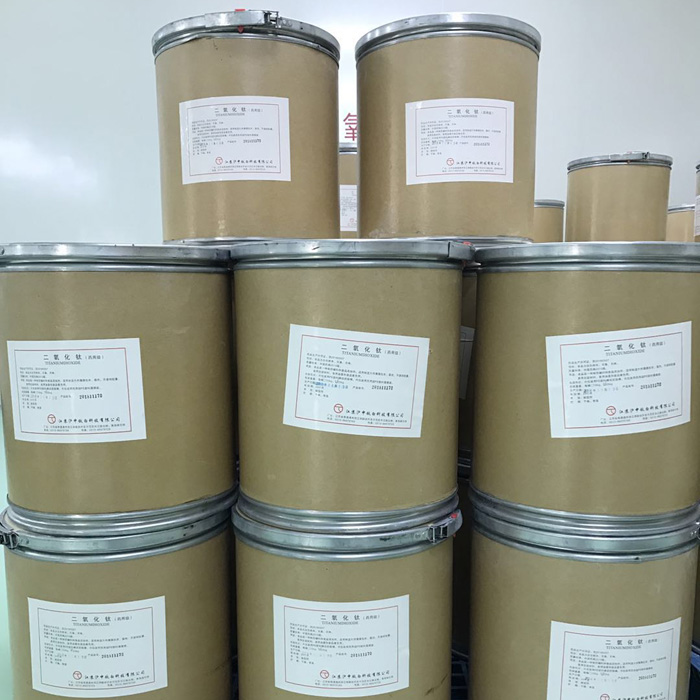
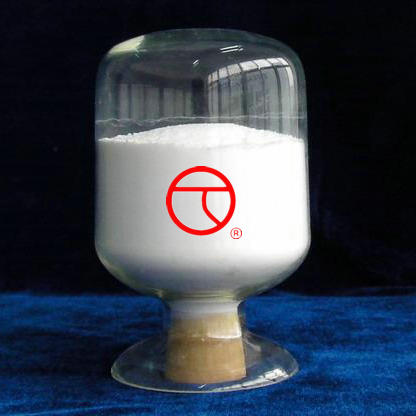
Anatase titanium dioxide is a white pigment. It provides high brightness and excellent whiteness with good dispersion properties. Anatase is one of the two main crystalline forms of titanium dioxide. The specific and important role that anatase plays in paint formulations can be best appreciated in those applications that place a premium on color purity, smooth appearance, and cost efficiency.
Rutile titanium dioxide is preferred in high-weather-resistance coatings. Anatase titanium dioxide is still massively consumed in decorative paints and interior coatings, primers, and some functional paint systems. Therefore, knowledge regarding its structure-property-performance relationship becomes vital to formulators and manufacturers as well as buyers who procure paints of this nature.
This article clearly defines anatase titanium dioxide, describes its application in paints, provides a comparison between it and other available pigments, and lists guidelines for choosing the pigment as well as applying it in present-day paint systems.
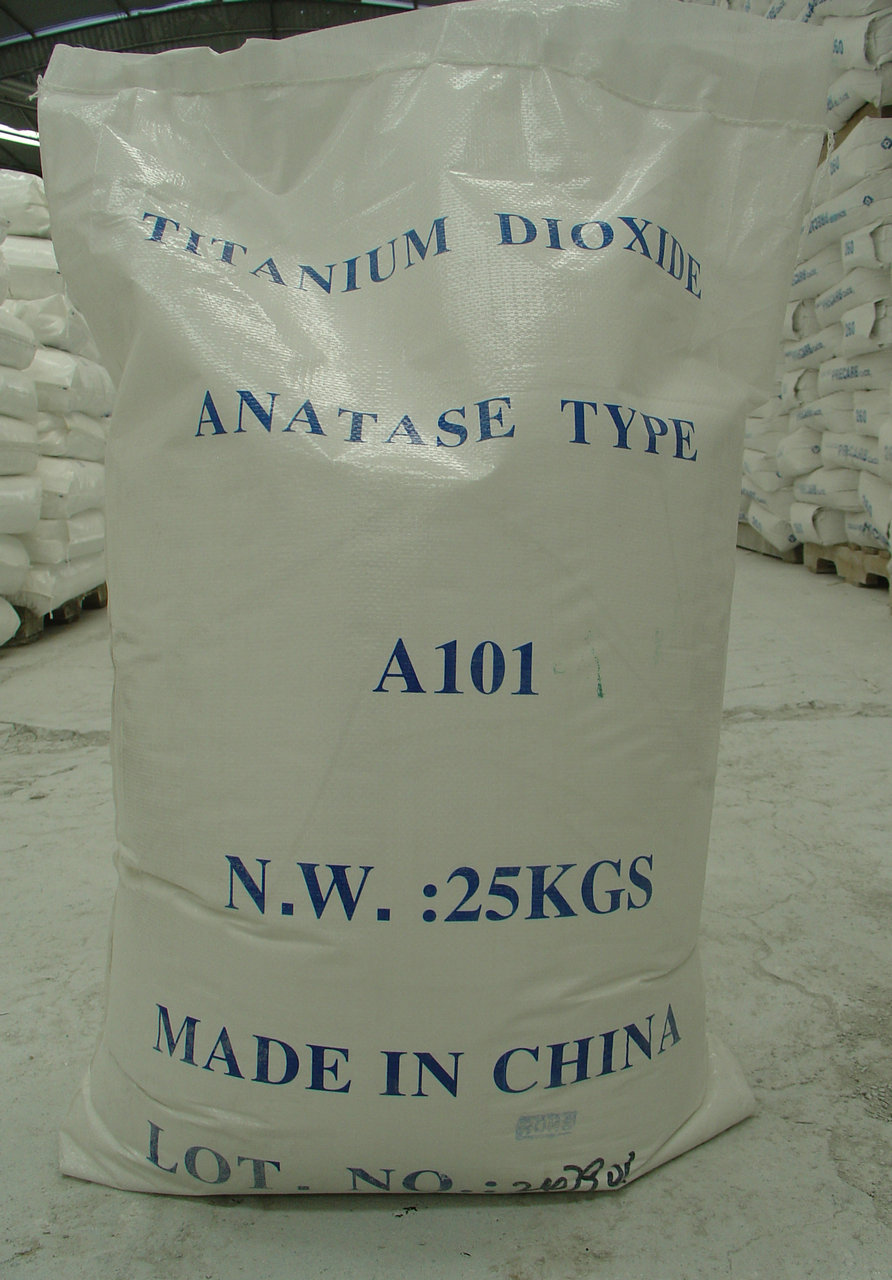
Understanding Anatase Titanium Dioxide
Titanium dioxide is the natural oxide of titanium, which appears as a white powder and is widely used as a pigment because of its strong light-scattering properties. The two main forms in which it occurs commercially are both crystalline anatase and rutile.
Anatase titanium dioxide possesses a different crystal structure from rutile. This gives it optical and surface properties which directly influence the behavior of the pigment in paint formulations to result in brightness, gloss, durability, as well as overall coating performance.
In paint applications, anatase titanium dioxide is selected more for its high whiteness and good color clarity than for extreme weather resistance.
Crystal Structure and Basic Characteristics
Anatase titanium dioxide is tetragonal in its crystal structure, different from rutile concerning atomic arrangement and refractive behavior. The refractive index of anatase is slightly lower than that of rutile; however, light scattering by anatase is very efficient in all those applications where maximum opacity may not be the sole requirement.
The anatase crystal form tends to have:
-
Higher intrinsic whiteness
-
Lower density compared to rutile
-
Softer particle characteristics
These features make anatase easier to disperse and suitable for smooth, uniform coatings.
Why Anatase Is Still Relevant in Paints
Rutile titanium dioxide is mostly used in high-performing coatings and exterior coatings, but a significant share of the market continues to be supplied by anatase due to its much lower price and because it offers adequate performance in many applications. These include all those places where extreme UV resistance is not required, for example, interior architectural paints and decorative coatings.
It also finds application in formulations demanding high brightness and clean optical properties.
Key Properties of Anatase Titanium Dioxide in Paint Applications
Anatase titanium dioxide offers a distinct set of properties that influence paint appearance, processing, and end-use performance.
High Whiteness and Brightness
The high whiteness is one of the most remarkable features of anatase titanium dioxide. It reflects visible light to a large extent, giving it an extremely clean white appearance. This property makes it very useful in decorative paints where the purity of color and attractiveness are important.
Anatase enhances the clarity of colors in tinted paints by reducing yellowness and increasing overall strength.
Good Dispersion Performance
Anatase titanium dioxide generally disperses more easily in both water-based and solvent-based paint systems. Its particle surface characteristics allow it to wet quickly during mixing, reducing energy consumption during grinding and dispersion.
Good dispersion contributes to:
-
Uniform color distribution
-
Smooth film appearance
-
Reduced risk of pigment agglomeration
This makes anatase attractive for manufacturers seeking stable and consistent formulations.
Moderate Opacity and Hiding Power
Anatase titanium dioxide gives good opacity, but its hiding power is normally lower than that of rutile titanium dioxide. However, in most paint applications,s particularly interior coatings, this level of opacity satisfies the requirement.
The formulators can maximize the hiding power by proper adjustment of pigment volume concentration and combination of anatase with extenders or other pigments.
Lower Abrasiveness
Anatase titanium dioxide is generally less abrasive than rutile. Therefore, there will be reduced wear on the processing equipment, together with better handling during the manufacture of paints.
In a large-scale production environment where, apart from equipment life, maintenance cost is also an important consideration, lower abrasiveness proves to be more useful.
Role of Anatase Titanium Dioxide in Paint Formulations
In paint systems, anatase titanium dioxide serves multiple functional roles beyond simply providing color.
Primary White Pigment
Anatase titanium dioxide is commonly used as the primary white pigment in interior wall paints, ceiling coatings, and primers. It provides brightness and uniformity while maintaining acceptable opacity.
Its clean white tone makes it suitable for both pure white paints and pastel shades.
Color Enhancement in Tinted Paints
When used in colored paints, anatase titanium dioxide improves color brightness and consistency. It helps pigments display their true hue without unwanted discoloration, which is especially important for light and vivid colors.
Contribution to Surface Smoothness
Due to its particle characteristics and dispersion behavior, anatase titanium dioxide contributes to smooth paint films. This improves gloss uniformity and reduces surface defects such as streaking or mottling.
Comparison with Rutile Titanium Dioxide in Paints
Understanding the differences between anatase and rutile titanium dioxide is essential for selecting the right pigment for specific paint applications.
Optical Performance Differences
Rutile titanium dioxide has a higher refractive index, thus hiding power and opacity. Rutile is the preferred choice for exterior paints and high-build coatings.
Anatase, though slightly less opaque than rutile, possesses greater whiteness and gives a cleaner color tone. This makes anatase attractive for interior and decorative applications.
Durability and Weather Resistance
Rutile titanium dioxide is more resistant to UV radiation and weathering. Anatase is the form of titanium dioxide that has a higher photochemical activity, becoming chalked or degraded under long exposure conditions outdoors.
Therefore, anatase can only be applied in interior paints or protected environments.
Cost and Economic Considerations
Anatase titanium dioxide is generally more cost-effective than rutile. This makes it appealing for large-volume paint applications where cost control is a priority and extreme durability is not required.
Many formulations use a blend of anatase and rutile to balance cost and performance.
Common Paint Applications for Anatase Titanium Dioxide
Anatase titanium dioxide is used across a wide range of paint and coating applications, particularly where appearance and economy are key factors.
Interior Architectural Paints
Interior wall and ceiling paints represent one of the largest application areas for anatase titanium dioxide. In these environments, UV exposure is limited, and high whiteness and smooth finish are more important than long-term weather resistance.
Decorative and Industrial Coatings
Anatase is used in decorative coatings for furniture, appliances, and general industrial applications where visual appeal and color clarity are prioritized.
It is also suitable for primers and undercoats that will be covered by more durable topcoats.
Water-Based Paint Systems
Due to its good dispersion properties, anatase titanium dioxide performs well in water-based paint formulations. It contributes to stable viscosity and consistent appearance, which are critical in modern low-VOC coatings.
Processing and Formulation Considerations
Proper use of anatase titanium dioxide requires attention to formulation and processing details.
Pigment Volume Concentration
The effectiveness of anatase titanium dioxide depends on pigment volume concentration. Proper balance ensures adequate hiding power while maintaining film integrity and mechanical properties.
Excessive pigment loading can lead to poor adhesion and reduced durability.
Compatibility with Additives
Anatase titanium dioxide is compatible with a wide range of dispersants, binders, and rheology modifiers. Selecting appropriate additives enhances dispersion stability and prevents settling during storage.
Milling and Dispersion Techniques
Efficient dispersion is essential to achieve optimal performance. High-speed dispersers or bead mills are commonly used to break down agglomerates and ensure uniform particle distribution.
Advantages of Using Anatase Titanium Dioxide in Paint
Anatase titanium dioxide has several practical advantages that make it attractive to many paint manufacturers.
It provides excellent whiteness and brightness, good dispersion, smooth surface finish, and cost efficiency. All these benefits particularly suit the product for use in interior and decorative paints.
Lower abrasiveness can be processed more easily, as well as contributing to reduced equipment wear.
Limitations and Performance Considerations
Its lower weather resistance compared to rutile is a limitation that has to be considered. Prolonged exposure to UV light, chalking, or reduced film durability can take place. There should be careful matching of anatase titanium dioxide to appropriate applications so as not to experience performance problems.
Environmental and Safety Aspects
Environmental Health and Safety
The general safe handling of anatase titanium dioxide for paints involves the implementation of good industrial hygiene practices to control dust during handling and processing operations.
Most environmental concerns are a consequence of responsible production, waste management, and chemical use and emission regulations compliance.
Selecting Anatase Titanium Dioxide for Paint Applications
The choice of anatase titanium dioxide is based on parameters about particle size distribution, surface treatment, and dispersion behavior relative to the intended paint system.
Paint manufacturers also undertake lab-scale confirmation of the results before large-scale production.
Market Trends and Future Outlook
Anatase titanium dioxide remains the most preferred option in inexpensive and environmentally friendly coatings. Therefore, its application for water-based paints suits their current trend toward low VOC content and sustainable formulations.
Ongoing developments of better processing technologies make their performance more consistent within paint applications.
Frequently Asked Questions
Is anatase titanium dioxide suitable for exterior paints?
Anatase titanium dioxide is generally not recommended for exterior paints due to its lower UV resistance compared to rutile.
Can anatase and rutile titanium dioxide be blended in paint formulations?
Yes, blending is common and allows formulators to balance cost, opacity, and durability.
Does anatase titanium dioxide affect paint gloss?
Anatase can contribute to smooth film formation and uniform gloss, depending on formulation and application.
Is anatase titanium dioxide compatible with water-based paints?
Yes, it performs well in water-based systems due to its good dispersion characteristics.
Conclusion
Anatase titanium dioxide remains a significant pigment in paint applications, especially for interior and decorative coatings where brilliance, tint strength, and cost are emphasized. Even though it does not have as much weather resistance as rutile titanium dioxide to provide [1], its peculiar properties suit quite an extensive range of paint formulations.
Through knowledge of its characteristics, strengths, and weaknesses, a product can be developed that satisfies the dual requirement of performance and economic viability. This is applicable not only to paint manufacturers but also to formulators.
