 Ir al contenido
Introducción
Nanometer grade anatase titanium dioxide can prevent yellowing, chalking, and gloss loss in clear coatings while maintaining optical transparency, provided proper surface treatment and formulation design are used.
Studies show that adding 1–3% of this material to polyurethane can reduce the yellowing index by over 60% after 1,000 hours of UV ageing. Another report found that 20 nm anatase nanoparticles can achieve a UV cut-off below 350 nm while maintaining over 85% visible light transmission, keeping coatings visually clear.
However, anatase also has strong photocatalytic activity, which may degrade organic binders if not properly controlled.
The Paradox: Photocatalyst vs Photostabiliser
To understand this dual behaviour, it is necessary to look at particle size and crystal structure.
Why Anatase Differs from Rutile
Anatase has a more open crystal structure than rutile, creating higher surface activity. At the nanometer scale (10–50 nm), its specific surface area can exceed 80–90 m²/g, significantly increasing reactivity.
This leads to two opposite effects under UV light: it can generate reactive oxygen species that degrade polymers, but when properly surface-treated, it also absorbs and blocks UV, protecting the coating.
The Key Balance
Uncoated nanometer grade anatase titanium dioxide may accelerate degradation, but surface treatments such as silica or alumina coatings can suppress this effect while maintaining UV protection.
When correctly formulated, anatase can improve coating stability and maintain clarity, making it suitable for advanced clear coating systems.
| Coating Type | With Organic UV Absorber Only | With Surface-Treated Nanometer Anatase TiO₂ |
|---|---|---|
| UV absorption permanence | Migrates or degrades over time | Permanent inorganic absorption |
| Yellowing after 1,000 hours QUV | Significant colour shift | More than 60 percent reduction in the yellowing index |
| Gloss retention | Moderado | Alta |
| Coating transparency | Excellent initially | Excellent, exceeding 85 percent visible transmission |
| Long-term durability | Limited, as the absorber depletes | Extended, due to inorganic stability |
How Nanometer Grade Anatase Titanium Dioxide Absorbs UV While Remaining Clear
The optical behaviour of nanometer grade anatase titanium dioxide differs fundamentally from conventional pigment-grade titanium dioxide. This difference enables transparent UV protection.
Particle Size Controls Transparency
Conventional titanium dioxide pigments have particles in the 200 to 400 nanometer range. At that size, they scatter visible light effectively, which produces opacity and whiteness. However, this scattering makes them unsuitable for clear coatings. Nanometer grade anatase titanium dioxide has primary particles typically between 10 and 50 nanometers. This size is smaller than the wavelength of visible light, which ranges from 380 to 780 nanometers. Consequently, visible light passes through with minimal scattering.
Nevertheless, these nanoparticles are still smaller than or comparable to UV wavelengths, which range from 200 to 400 nanometers. They absorb UV strongly through band-gap excitation, with absorption bands centred around 300 to 350 nanometers, depending on particle size and crystallinity. One study fabricated transparent UV-protective coatings using 20 nanometer anatase nanoparticles. The coating achieved a sharp UV cutoff below 350 nanometers while transmitting more than 85 percent of visible light at 700 nanometers. The coating appeared visually clear to the human eye but blocked virtually all harmful UV radiation.
Real-World Performance: Evidence from Testing
Theory requires validation through accelerated weathering data.
-
Automotive Clear Coats
Automotive clear coats face some of the harshest UV exposure among all coating applications. A study from the Chinese Academy of Sciences incorporated nanometer grade anatase titanium dioxide into an automotive surface lustering agent at 10 volume percent. After two days of continuous irradiation under a 1,000-watt UV lamp, the coated panels showed no measurable change in colour or gloss. The control panels, which used the same lustering agent without nano-titanium dioxide, lost colour and gloss rapidly. After six months of natural sunlight exposure from May to November, the nano-titanium-dioxide-treated samples retained their original appearance, while the untreated samples showed clear degradation. These results prove that nanometer grade anatase titanium dioxide is a highly efficient additive for UV protection in automotive clear coats.
-
Wood Coatings and Varnishes
Wood substrates are particularly vulnerable to UV degradation because lignin absorbs UV and undergoes photo-yellowing. Clear wood coatings must block UV without hiding the natural grain. Research comparing nanoparticle-grade anatase and rutile in waterborne acrylic and isocyanate acrylic wood coatings found that both performed visibly and colourimetrically better than organic UV absorbers alone. The nanoparticles, being inorganic, did not decompose or migrate during irradiation, which is a common failure mode for organic absorbers and hindered amine light stabilisers. The 70 nanometer particles proved more effective than 90 nanometer particles, confirming that smaller particle size improves UV protection efficiency.
-
Polyurethane Coatings
Polyurethane is widely used in high-end coatings but is notoriously prone to yellowing. Research quantified the effect: adding 1 to 3 percent nanometer grade anatase titanium dioxide reduced the yellowing index by more than 60 percent after 1,000 hours of QUV accelerated ageing. Surface modification further improved dispersion and compatibility. For outdoor applications such as architectural coatings and automotive clear coats, this level of yellowing reduction translates directly into extended service life and reduced maintenance frequency.
-
Transparent Roofing and Cool Roof Coatings
A particularly innovative application involves cool roofing with UV-sensitive coloured surfaces. Researchers developed waterborne acrylic coatings incorporating 20 nanometer anatase nanoparticles using a gel-sol method. The resulting nanocomposite coating achieved a UV cutoff below 350 nanometers with visible transmission greater than 85 percent at 700 nanometers. The coating remained visually transparent while protecting the underlying UV-sensitive dye from photodegradation. This demonstrates that nanometer grade anatase titanium dioxide can protect not only the coating itself but also substrates and pigments underneath.
Overcoming the Photocatalytic Challenge: Surface Treatment Strategies
If nanometer grade anatase titanium dioxide is so photocatalytically active, how can formulators prevent it from degrading the very coating it is supposed to protect? The answer lies in surface engineering.
How Surface Treatment Works
The photocatalytic activity originates at the nanoparticle surface. Hydroxyl radicals and superoxide ions are generated at surface active sites. By coating each nanoparticle with an inert oxide layer, typically silica, alumina, or a combination, the active sites become physically separated from the surrounding polymer matrix. UV photons are still absorbed, but the reactive species cannot reach the organic binder.
Research has shown that surface modification of nano-titanium dioxide with a silica insulation layer suppresses catalytic activity while improving UV protection for sensitive dyes. The same principle applies to coating binders. Multiple densities of surface treatments have been evaluated, from minimal coating to thick, continuous shells. Generally, thicker and more complete coatings provide better photocatalytic suppression but may slightly reduce UV absorption efficiency. The optimal balance depends on the application.
Practical Surface Treatment Options
Three main types of surface treatment are commercially available for nanometer grade anatase titanium dioxide used in clear coatings:
-
Silica coating: Provides excellent photocatalytic suppression and good dispersibility in polar systems, though it slightly reduces UV absorption.
-
Alumina coating: Offers good photocatalytic suppression and improves dispersibility in organic solvents and polymers.
-
Organic surface modification using silanes or titanates primarily improves dispersibility and compatibility, with moderate photocatalytic suppression.
For most clear coating applications, a silica-alumina dual-layer treatment offers the best balance of UV protection efficiency, photocatalytic suppression, and dispersibility.
Nanometer Grade Anatase versus Conventional UV Absorbers
Why switch from traditional organic UV absorbers to nanometer grade anatase titanium dioxide? The advantages are substantial.
| Característica | Organic UV Absorbers (Benzotriazoles, Benzophenones, HALS) | Surface-Treated Nanometer Anatase TiO₂ |
|---|---|---|
| UV absorption mechanism | Molecular absorption using specific chromophores | Band-gap absorption, broadband |
| Absorption range | Narrow, approximately 300 to 350 nanometers, depending on chemistry | Broad, 200 to 400 nanometers with a tail into the visible |
| Permanence | Migrates and decomposes under prolonged UV exposure | Inorganic, no migration, permanent |
| Estabilidad térmica | Limited, degrades above approximately 200 degrees Celsius | Excellent, stable above 800 degrees Celsius |
| Transparency in clear coats | Excelente | Excellent when particle size remains below 30 nanometers |
| Photocatalytic side effects | Ninguno | Can degrade the binder if uncoated |
| Cost per kilogram | Moderado | Higher than pigment-grade but cost-effective per performance |
| Lifetime in outdoor exposure | Typically 2 to 5 years | 10 years or more |
The comparison shows that nanometer grade anatase titanium dioxide is not a drop-in replacement but a premium solution for applications requiring long-term durability. The higher upfront cost is offset by extended service life and reduced maintenance.
Formulation and Processing Considerations
Adding nanometer grade anatase titanium dioxide to a clear coating is not as simple as mixing in a powder. The nanoparticle surface area is enormous, and poor dispersion leads to agglomeration, visible haze, and reduced UV protection.
Achieving Stable Dispersion
Agglomeration represents the single biggest failure mode for nano-titanium dioxide in clear coatings. Nanoparticles have strong van der Waals attraction and will cluster together unless properly stabilised. Successful dispersion requires:
-
Surface-treated nanoparticles: Commercial grades with pre-applied silica or alumina coatings are much easier to disperse.
-
High-shear mixing: Equipment such as bead mills, three-roll mills, or ultrasonication devices.
-
Appropriate dispersants: Polymeric dispersants with anchoring groups for titanium dioxide surfaces.
-
Viscosity control: Higher viscosity during mixing helps break agglomerates.
One manufacturer has developed a waterborne high-crystalline titanium dioxide nanoparticle suspension with an average particle size of 20 nanometers that remains stable against agglomeration and is ready to disperse into commercial acrylic resin systems without extra surface modification. This type of predispersed product greatly simplifies formulation.
Loading Levels
The optimal loading of nanometer grade anatase titanium dioxide in clear coatings typically falls between 1 percent and 5 percent by weight, depending on the binder system and the required UV protection level. Below 1 percent, UV absorption may prove insufficient. Above 5 percent, agglomeration becomes more difficult to control, and haze may become visible. For most applications, 2 to 3 percent provides an excellent balance of UV protection, transparency, and processability.
| Application | Recommended Loading (Weight Percent) | Notes |
|---|---|---|
| Automotive clear coat | 1 to 3 percent | Surface-treated grade required; avoid interference with UV curing |
| Wood varnish | 2 to 4 percent | Higher loading for exterior applications |
| Marine varnish | 3 to 5 percent | Extreme UV exposure; needs excellent dispersion |
| Aerospace clear coat | 1 to 2 percent | Weight-sensitive; requires high-efficiency dispersion |
| Protective coating for artwork | 0.5 to 1.5 percent | Minimal loading; visibility critical |
| Cool roof coating | 2 to 3 percent | Balance UV protection and colour appearance |
Compatibility with Different Resin Systems
Nanometer grade anatase titanium dioxide has been successfully incorporated into:
-
Waterborne acrylics
-
Isocyanate acrylics (two-component systems)
-
Polyurethane, both solvent-borne and waterborne
-
Epoxy
-
UV-curable acrylates, with careful selection to avoid light screening during cure
The key compatibility factor is surface treatment. Hydrophilic, water-compatible grades work well in waterborne systems. Hydrophobic, organophilic grades are better suited for solvent-borne and UV-curable resins.
Limitations and Practical Workarounds
Honest engineering requires acknowledging where nanometer grade anatase titanium dioxide falls short and how to compensate.
Cost
High-purity nanometer grade anatase titanium dioxide costs significantly more than conventional titanium dioxide pigments. However, for applications demanding UV protection without opacity, the cost differential is justified by performance. When evaluating cost, one should consider the total system cost and the extended service life, not merely the raw material price per kilogram.
Dispersion Difficulty
Achieving agglomerate-free dispersion requires specialised equipment and expertise. For small-volume users or those without in-house dispersion capability, using predispersed suspensions or masterbatches offers a practical workaround. Many suppliers now provide liquid dispersions of nano-titanium dioxide ready for direct incorporation.
Potential for Photocatalytic Binder Degradation
Even surface-treated grades retain some residual photocatalytic activity. In thin, highly loaded coatings, this can still cause gradual binder degradation over very long timeframes. The solution involves two steps: use the highest-quality surface-treated grade, and formulate with UV-stable binders designed for outdoor exposure. Acrylics and aliphatic polyurethanes are generally more UV-stable than aromatic polyurethanes or epoxies.
Light Screening in UV-Curable Systems
UV-curable coatings rely on ultraviolet light to initiate polymerisation. The presence of nanometer grade anatase titanium dioxide absorbs some of that UV radiation, potentially slowing the cure. This can be managed by using higher photoinitiator concentrations, longer exposure times, or generating the nanoparticles in situ after UV curing through a sol-gel approach, which has been successfully demonstrated. The latter approach produces transparent coatings without interfering with photopolymerisation.
Selecting the Right Grade for Clear Coating Applications
Not all nanometer grade anatase titanium dioxide is created equal. For clear coating applications, several parameters are critical.
Key Specification Parameters
-
Primary particle size: For maximum transparency and UV absorption, aim for 15 to 30 nanometers. Particles below 10 nanometers offer even better transparency but are more difficult to disperse and handle.
-
Superficie específica: Expect values between 50 and 100 square metres per gram. Higher surface area generally means higher UV absorption but also higher photocatalytic activity, requiring better surface treatment.
-
Tratamiento de superficies: Silica or silica-alumina coating is mandatory for most clear coat applications. Uncoated anatase will almost certainly degrade the binder. The user should ask the supplier for specific surface treatment chemistry and loading.
-
Crystal phase purity: Request X-ray diffraction data confirming anatase content exceeding 95 percent. Rutile contamination reduces UV absorption efficiency and alters optical behaviour.
-
Calidad de la dispersión: If possible, request samples of the supplier’s predispersed form to avoid dispersion difficulties.
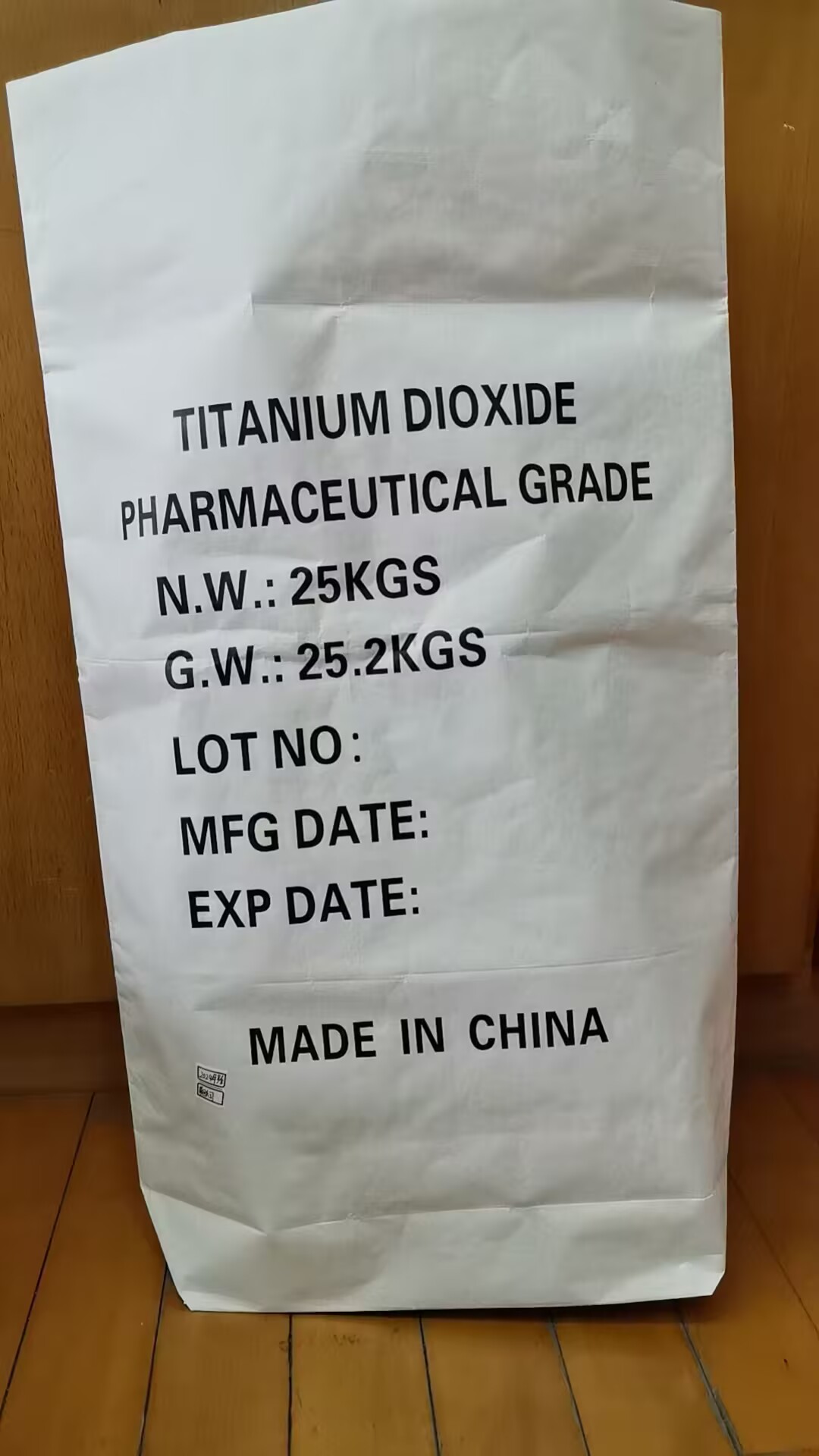
We offer nanometer grade anatase titanium dioxide that meets these specifications: mean particle diameter within nanometer grade standards, specific surface area of 80 to 90 square metres per gram, titanium oxide content not less than 98 percent, and a UV-resistant factor of 98. The product features super-fine particles, high surface activity, and fine ultraviolet absorption, with special surface treatment applied.
Conclusión
Can nanometer grade anatase titanium dioxide keep coatings clear? Yes. It improves UV resistance in automotive clear coats, wood varnishes, polyurethane systems, and transparent roofing coatings, while maintaining high optical clarity and reducing yellowing by over 60% in accelerated ageing tests.
Performance depends on correct grade selection, surface treatment, dispersion quality, and proper loading. Poorly treated or dispersed material may cause degradation or haze, but well-engineered formulations provide stable, long-term UV protection that organic stabilisers cannot match.
For durable, high-clarity coatings, nanometer grade anatase titanium dioxide is a reliable technical solution with long service-life benefits despite higher initial cost.
Ready to Formulate Better Coatings?
Contact Hu Sheng Titanium for datasheets, samples, and technical support, or request a quotation to find the right grade for your application.
