 본문 바로가기
소개
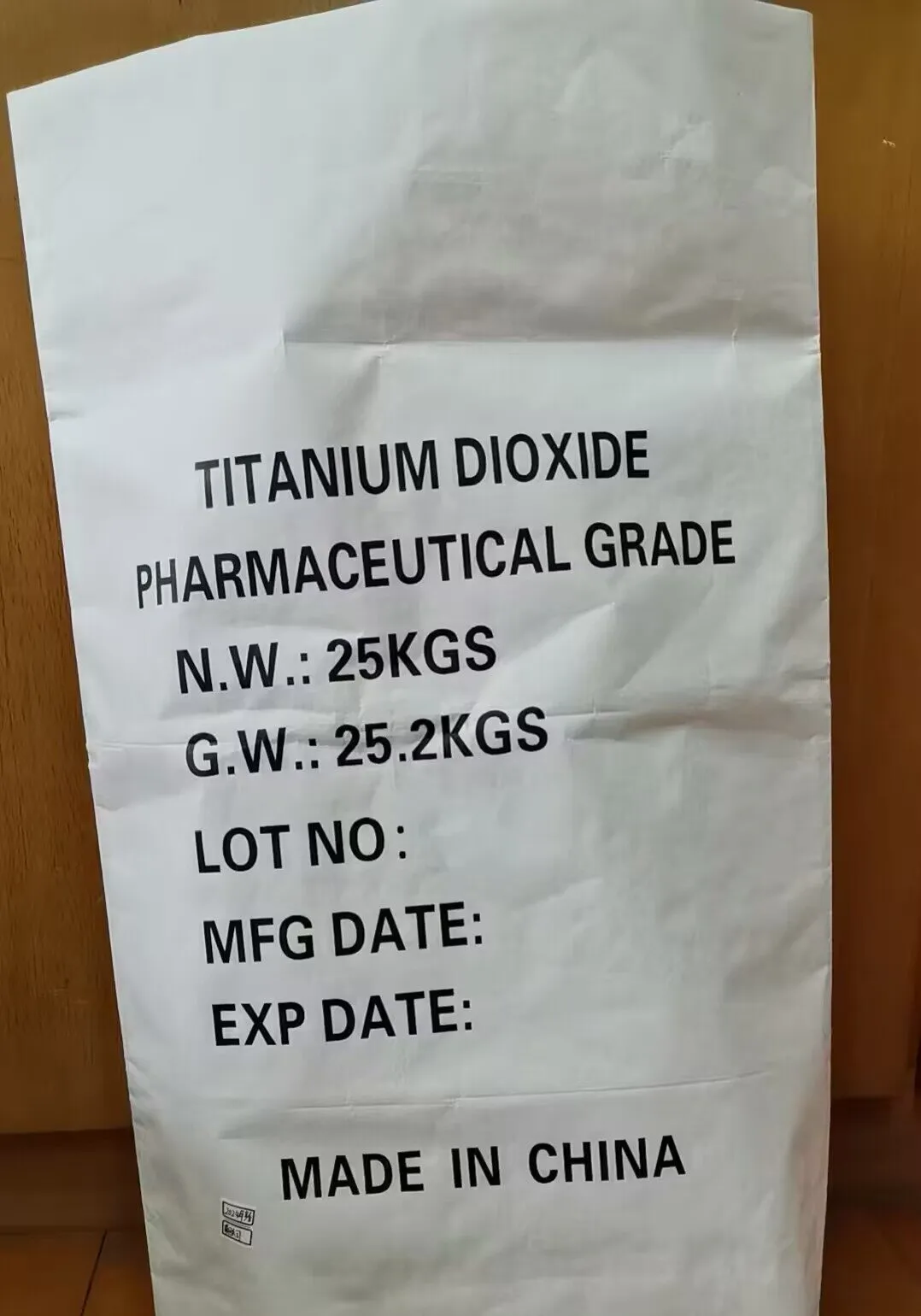
Walk into any pharmaceutical manufacturing facility, and you’ll see tablets, capsules, and coating solutions moving down the production lines. One material is nearly indispensable in these processes: pharmaceutical-grade titanium dioxide.
What sets it apart from industrial grades used in paints and plastics? It is odorless, tasteless, chemically stable, and insoluble in water and acids. Its high refractive index delivers excellent opacity, light scattering, and ultraviolet protection. These properties make it an ideal excipient for protecting active ingredients, ensuring consistent appearance, and supporting safe medication use.
This article explores why pharmaceutical titanium dioxide is so essential, how it is regulated, and what to consider when choosing a supplier.
Three jobs, one material
Pharmaceutical titanium dioxide is not a one-trick pony. It performs three distinct functions in drug manufacturing, each addressing a different challenge:
-
Protection from light
Many pharmaceutical compounds are sensitive to light. Ultraviolet and visible radiation can degrade these molecules, reducing potency and potentially creating harmful byproducts. Titanium dioxide acts as a UV absorber and light scattering agent in tablet coatings, shielding the active ingredient from photodegradation. This protection ensures that the medication remains effective throughout its shelf life. The material disperses visible and UV light so that the contents are protected from the effects of light, and the patient or caregiver cannot see the contents within.
-
Visual consistency
The appearance of a medication matters far more than most people realize. Patients associate specific colors, shapes, and finishes with particular drugs. A color change can confuse, dosing errors, or loss of trust in the product. Titanium dioxide provides a brilliant white base that can be tinted to any color, ensuring consistent appearance across batches. This is not cosmetic—it is a patient safety issue. Pharmaceutical titanium dioxide is present in approximately 70% of oral solid-dose medicines and is used in roughly 90% of tablets and capsules that are colored or coated.
-
Physical protection
Tablet coatings that contain titanium dioxide also provide physical protection against moisture, friction, and mechanical stress. Coated tablets are easier to swallow, more resistant to chipping, and better protected during packaging and transport. The material’s high refractive index—which is not matched by any other opacifier—allows for a thinner, less fragile outer layer of the tablet.
What “pharmaceutical grade” actually means
The term is not a marketing claim. It is a legally defined designation backed by exhaustive testing and documentation. Pharmaceutical titanium dioxide must meet the standards of one or more official pharmacopoeias: the Chinese Pharmacopoeia, the United States Pharmacopoeia (USP), the European Pharmacopoeia (Ph. Eur.), or the Japanese Pharmacopoeia (JP).
These pharmacopoeias are not just books of suggestions. They mandate specific limits for more than a dozen parameters. For the Chinese Pharmacopoeia 2015 edition, the requirements include:
-
Titanium dioxide content: 98.0-100.5% (on dry basis)
-
Heavy metal content: ≤20 ppm
-
Arsenic (As): ≤5 ppm
-
Barium (Ba): no turbidity or precipitation
-
Antimony salts: ≤0.01%
-
Iron salts: ≤0.02%
-
Water-soluble substances: ≤0.25%
-
Acid-soluble substances: ≤0.5%
-
Loss on drying: ≤0.5%
-
Loss on ignition: ≤0.5%
-
Total bacterial count: <1000 cfu/g
-
Mold count: <100 cfu/g
-
E. coli: negative
-
Identification: positive
-
pH: meets requirement
-
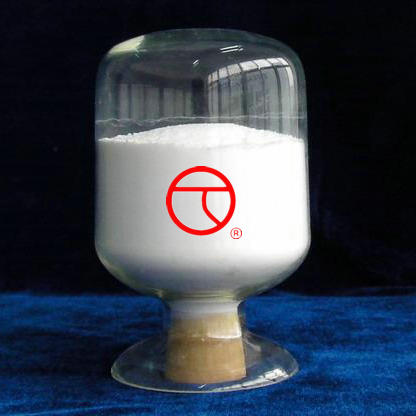
Characters: white powder, odorless and tasteless
The USP assay employs the Jones reductor method to precisely determine titanium dioxide content through a series of reduction, oxidation, and titration steps. The EP assay follows a controlled redox titration approach. These rigorous testing methodologies ensure that pharmaceutical titanium dioxide meets the highest standards of purity and safety.
These specifications are not optional. A pharmaceutical manufacturer cannot simply purchase any titanium dioxide and hope it meets standards. They must source material that has been tested and certified by the supplier to meet pharmacopoeia requirements.

The supplier’s role: more than just making powder
This is where the selection of a supplier becomes critical. Producing pharmaceutical titanium dioxide is not something a manufacturer can do casually. It requires:
-
Dedicated production lines that are not cross-contaminated with industrial grades
-
Rigorous in-process quality control at every stage of manufacturing
-
Comprehensive testing of every batch against pharmacopoeia standards
-
Maintaining audit-ready documentation for regulatory inspections
-
Continuous training of staff in pharmaceutical quality principles
Jiangsu Hushen Titanium White Technology Co., Ltd. has been specializing in the production of titanium dioxide for medicinal use for more than 20 years, since 1993. The company’s long history in this niche is itself a strong indicator of quality. Their product technical indicators meet the requirements of the Chinese Pharmacopoeia 2015 Edition, and also meet the standards of the American FDA pharmacopoeia and the European EP pharmacopoeia.
This multi-standard compliance is particularly valuable for pharmaceutical manufacturers who export to multiple regions. One material, one set of documentation—and it satisfies regulators in China, the United States, and Europe.
Beyond tablets: other applications
While coating tablets and filling capsules are the most visible applications, pharmaceutical titanium dioxide has a broader range of uses in healthcare:
Medical devices. Many devices that come into contact with the body require opacity or radiopacity. Titanium dioxide provides the necessary visibility in X-ray imaging and is also used in some surgical implants and sutures.
Dental materials. Dental cements, composite resins, and restorative materials often incorporate titanium dioxide for its opacity and aesthetic properties. The material’s biocompatibility makes it suitable for long-term oral exposure.
Cosmetic and dermatological preparations. Sunscreens, lotions, and creams use titanium dioxide as a physical UV filter. In these products, the pharmaceutical grade designation ensures that the material is free from impurities that could irritate skin or be absorbed systemically.
Emerging applications in drug delivery. Recent research has explored the use of titanium dioxide nanomaterials as potential carriers for localized drug delivery because of their useful properties and easier preparation process. Titanium dioxide nanomaterials are emerging as inorganic nanomaterials with excellent properties such as low toxicity and easy functionalization, and can be used as delivery vehicles for drugs, genes, and antigens for various therapeutic options.
Pharmaceutical grade vs industrial grade: a clear divide
The difference between pharmaceutical titanium dioxide and industrial-grade titanium dioxide is not merely a matter of purity. It is about the entire production and quality management system. Here is how they compare:
| Aspect | 제약 등급 | 산업 등급 |
|---|---|---|
| 순도 | ≥99.0% (typically 99.5%+) | 93-97% |
| 입자 크기 분포 | Tightly controlled, consistent | Wide distribution |
| 중금속 | ≤20 ppm total, individual limits | Less stringent |
| 비소 | ≤5ppm | Not controlled |
| Microbiological purity | Tested (bacteria, mold, E. coli) | Not tested |
| Documentation | Full pharmacopoeia certificates | Limited to basic COA |
| Traceability | Full batch traceability | 제한적 |
| Production environment | Pharmaceutical GMP or equivalent | Industrial standards |
This comparison shows why pharmaceutical titanium dioxide commands a premium price. The additional testing, documentation, and production controls required add significantly to the cost—but they are necessary for patient safety and regulatory compliance.
The regulatory landscape: navigating complex requirements
Pharmaceutical titanium dioxide is described in all the major pharmacopeias and is listed in the FDA Inactive Ingredient Database. In the United States, the color additive titanium dioxide may be used for coloring ingested and externally applied drugs generally, in amounts consistent with good manufacturing practice.
However, the regulatory environment is not static. In early 2022, titanium dioxide was delisted as a food additive in Europe due to perceived gaps in the toxicology data package. The European Commission determined that a safety risk could not be ruled out, although a demonstrated risk of harm had not been identified over 50 years of use. Because of a link in European legislation between food colorings and colorants in medicines, the European Commission directed that potential alternatives to titanium dioxide be promptly evaluated by medicines manufacturers.
The European Union has prohibited the application of this material in the food industry, and it is anticipated that the same could happen in the pharmaceutical industry. The European Commission has tasked the European Medicines Agency (EMA) to provide a recommendation on titanium dioxide in pharmaceutical products. This regulatory uncertainty has significant implications for pharmaceutical manufacturers who rely on this excipient.
The search for alternatives: why it is so challenging
The pharmaceutical industry has been actively searching for alternatives to titanium dioxide. However, this search has proven remarkably difficult. The IQ TiO2 Working Group has shown that titanium dioxide has unique properties which are necessary for its function in these formulations and noted that, as the potential replacements lack the semiconductor properties, high refractive index, and whiteness, it might be hard to replicate these properties with alternative materials.
Industry experts have concluded that “no system or material which could address both current and future toxicological concerns of Regulators and the functional needs of the pharmaceutical industry and patients has been identified”. This assessment takes into account the evaluation of materials such as calcium carbonate, talc, isomalt, starch, and calcium phosphates.
The challenges with alternatives are numerous:
-
Calcium carbonate is sourced by mining and may react with active pharmaceutical ingredients due to its alkaline properties. To achieve acceptable coverage, higher amounts and longer coating times are needed. Few suppliers globally are able to comply with GMP certification and maintain the quality.
-
활석 is a mined material, and managing its elemental impurities presents significant challenges.
-
Technical complexity is higher due to variability, color fading, and identified scale-up risk of titanium dioxide-free film coatings.
Currently, no single excipient has been found to directly replace pharmaceutical titanium dioxide in existing film-coating systems. Iron oxide pigmentation offers a potential solution for addressing the role titanium dioxide plays in photoprotection. By including 1–1.5% red or yellow iron oxide in a titanium dioxide-free film coating, 75–85% photoprotection can be achieved, while 2% or greater red iron oxide provides nearly complete photoprotection.
Market trends and growth projections
The global pharmaceutical titanium dioxide market reflects the essential nature of this excipient. The market size was estimated at USD 220.5 million in 2025 and is projected to grow at a compound annual growth rate (CAGR) of 4.75% during the forecast period. The titanium dioxide API market is projected to grow at a CAGR of 5.6% between 2025 and 2035, driven by rising demand in pharmaceuticals, cosmeceuticals, and nutraceutical applications.
Key players in the market include Venator Materials PLC, KRONOS Worldwide, Zyou Industry, Parshwanath Group, Zhuzhou Sante, Jaingsu Hongyuan, Zhejiang Jinghai, PRECHEZA, TOHO TITANIUM, and Proquimac. The market is segmented by type (98.0% min, 99.0% min) and by application.
The role of testing and quality assurance
Ensuring the quality of pharmaceutical titanium dioxide requires comprehensive testing. At RSSL, specialists perform full monograph testing of titanium dioxide, ensuring compliance with USP, Ph. Eur., and JP standards. Their rigorous wet chemistry techniques ensure that titanium dioxide data meets the highest pharmaceutical standards—guaranteeing safety, compliance, and performance.
The testing covers several methods, including elemental impurities, organic impurities, acidity/alkalinity, identification, loss on ignition (LOI), and loss on drying (LOD). This comprehensive approach ensures that every batch of pharmaceutical titanium dioxide meets the required specifications.
Why experience matters
The pharmaceutical titanium dioxide market has relatively few players compared to the industrial titanium dioxide market. This is because the barriers to entry are high: significant capital investment, rigorous quality systems, and the time required to gain regulatory acceptance.
Jiangsu Hushen Titanium White Technology Co., Ltd. has been specializing in this product for more than 20 years since 1993. This longevity is not accidental. It reflects:
-
Deep understanding of the pharmaceutical industry’s evolving requirements
-
Established relationships with regulatory bodies
-
Proven ability to maintain consistent product quality over decades
-
Investment in continuous improvement and modernization
-
A track record that pharmaceutical customers can rely on
For pharmaceutical manufacturers, working with a supplier who has stood the test of time provides reassurance that the supply chain is stable and the product quality will remain consistent.
The safety debate: what the science says
The safety of titanium dioxide has been the subject of extensive scientific investigation. Titanium dioxide is a natural oxide of the element titanium with low toxicity and negligible biological effects. It is physiologically inert—animal and human experiments show that titanium dioxide when ingested is not absorbed at all from the alimentary tract but is excreted unchanged and totally in the feces.
However, recent studies have raised concerns about titanium dioxide nanoparticles. Several in vivo studies have demonstrated that titanium dioxide nanoparticles, once in the bloodstream, could reach and accumulate in important organs, causing toxic effects. The International Agency for Research on Cancer (IARC) has classified these nanoparticles as possibly carcinogenic to humans.
A review published in early 2024 summarized findings from studies looking at the genotoxicity of orally digested titanium dioxide nanoparticles in mice and rats, which concluded that nanoparticles of titanium dioxide may cause genotoxic effects. However, the review emphasized the lack of studies involving E171 and was unable to come to any definitive conclusion on its safety. A newly published extended one-generation reproductive toxicity study, where oral dosing of E171 at ≥1000 mg/kg/day in rats observed no adverse effects on reproduction nor signs of toxicity.
This ongoing scientific debate underscores the importance of sourcing pharmaceutical titanium dioxide from reputable suppliers who can demonstrate compliance with the latest regulatory requirements and provide comprehensive documentation.
자주 묻는 질문
Q: Which pharmacopoeias do your products meet?
A: Look for suppliers that clearly state compliance with the Chinese Pharmacopoeia (CP), USP, and/or EP. Meeting all three standards usually indicates a more mature and robust quality system.
Q: Can you provide Certificates of Analysis (COA) for each batch?
A: Yes. The COA should include all tests required by the relevant pharmacopoeia and show actual test results for the specific batch, not just standard values.
Q: What is your change control procedure?
A: Reputable suppliers maintain a formal change control system and will notify customers of any changes in raw materials, production processes, or facilities that may affect product quality.
Q: How do you prevent cross-contamination between grades?
A: Pharmaceutical-grade material should be produced on dedicated equipment and production lines to eliminate the risk of cross-contamination with industrial grades.
Q: What stability data can you provide?
A: The supplier should offer real stability data demonstrating that the material remains within specification throughout its stated shelf life under recommended storage conditions.
Q: Do you have experience with regulatory audits?
A: Prefer suppliers that have successfully passed inspections by regulatory authorities or major pharmaceutical companies, as this reflects stronger compliance capabilities.
결론
Pharmaceutical titanium dioxide is a critical excipient, not a commodity. It requires careful supplier selection, rigorous testing, and reliable documentation. For over fifty years, it has played an essential role in protecting active ingredients from light, ensuring consistent appearance, and supporting safe drug manufacturing.
Success depends on choosing a supplier that truly understands pharmaceutical requirements and maintains strong quality systems. Look for proven experience, multi-pharmacopoeia compliance (CP, USP, EP), and a solid regulatory track record.
When sourcing pharmaceutical titanium dioxide, Jiangsu Hushen Titanium White Technology Co., Ltd. offers over 20 years of specialized production, meeting Chinese Pharmacopoeia, USP, and EP standards with consistent quality.
Contact our team today to request product specifications, certificates of analysis, or samples. We will work with you to ensure that our titanium dioxide meets your specific formulation requirements and regulatory needs. Trust the experience—choose pharmaceutical titanium dioxide from a proven specialist.
