 Pular para o conteúdo
Introdução
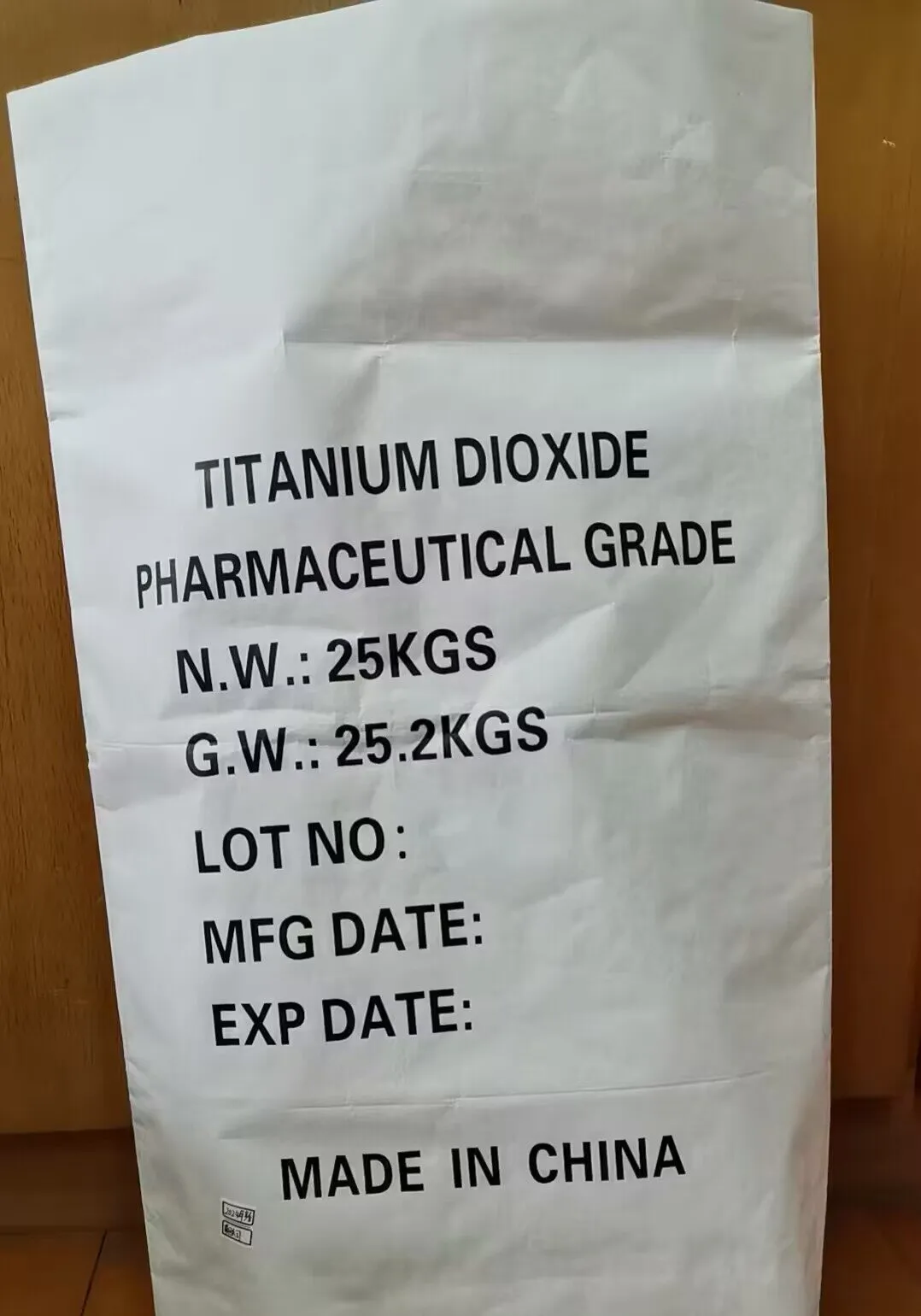
Dióxido de titânio alimentício is a widely used white pigment in food manufacturing, helping producers achieve consistent whiteness, opacity, and visual appeal in products such as confectionery, bakery items, dairy products, sauces, and dressings. Unlike ingredients that provide flavor or nutrition, titanium dioxide is valued for its functional performance and ability to improve product appearance at low usage levels.
For food manufacturers and procurement teams, choosing the right food titanium dioxide requires consideration of purity, particle size, dispersion performance, regulatory compliance, and supplier reliability. This guide explores its key applications, compares it with alternative whitening agents, and highlights important factors for sourcing a reliable supplier.
What Exactly Is Food-Grade Titanium Dioxide, and Why Do Formulators Keep Specifying It?
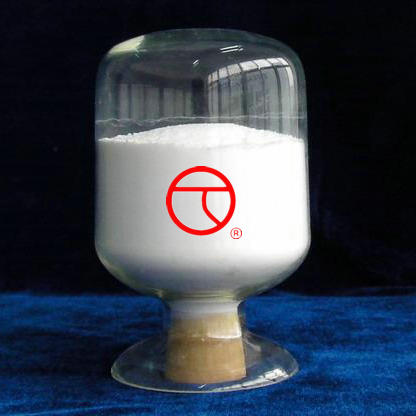
Food titanium dioxide is a high-purity white pigment produced from titanium-bearing ores such as ilmenite or rutile. Through controlled processing, it achieves excellent whiteness, high purity, and consistent particle size distribution, making it suitable for food applications. In the United States, titanium dioxide is regulated as a color additive under 21 CFR 73.575, with permitted usage levels of up to 1% by weight in finished foods.
Its widespread use is mainly driven by three key properties. First, its high refractive index (approximately 2.7) provides strong whitening and opacity at relatively low addition levels. Second, its chemical stability allows it to maintain performance during processes such as mixing, pasteurization, and freezing. Third, its optimized particle size distribution (typically 200–300 nm) enables efficient light scattering while maintaining a smooth texture in finished products.
For food manufacturers, these characteristics translate into better color consistency, processing reliability, and cost efficiency. When sourcing food titanium dioxide, buyers should evaluate not only product price but also factors such as purity, particle size consistency, dispersion performance, and overall supply reliability.
A Side-by-Side Comparison: Food Titanium Dioxide vs. Starch and Calcium Carbonate
If you are evaluating whitening agents for a reformulation project, the following comparison—based on internal industry trials and published food science data—provides a clear decision framework. Note that the table appears here, early in the article, because procurement decisions often hinge on these cost and performance trade-offs.
| Caraterística | Food Titanium Dioxide | Carbonato de cálcio | Rice Starch |
|---|---|---|---|
| Whitening efficiency | Excellent – 0.1–0.5% achieves full opacity | Poor – requires 3–5% for a similar effect | Very poor – >10% needed for minimal effect |
| Impact on texture | None – inert, no change in mouthfeel | Chalky/gritty at effective levels | Thickens, alters viscosity, and moisture |
| Heat stability | Stable up to 200°C | Stable but reacts with acids (releases CO₂) | Gelatinizes, changes texture under heat |
| Clean-label perception | Synthetic – not considered natural | Mineral-based, often accepted as natural | Plant-based, strong clean-label appeal |
| U.S. regulatory status | Approved, ≤1% by weight | GRAS | GRAS |
| EU status | Banned as E171 since 2022 | Permitted | Permitted |
| Relative cost per unit of opacity | Lowest – most cost-efficient | Medium to high (higher dosage) | High (enormous dosage, recipe rebalancing) |
The table illustrates a clear winner in terms of efficiency. Dióxido de titânio alimentício delivers the same whitening effect at one-tenth to one-twentieth the usage level of calcium carbonate, and at less than one-hundredth the level of rice starch. For a 1,000 kg batch of sauce, using TiO₂ at 0.3% (3 kg) versus calcium carbonate at 4% (40 kg) not only cuts ingredient cost but also preserves the product’s fluidity and emulsion stability. That is why, in regions where it remains approved, dióxido de titânio alimentar continues to be the go-to choice for high-volume manufacturers.
How Is Food Titanium Dioxide Used in Confectionery Manufacturing?
Confectionery is the single largest application category for dióxido de titânio alimentar. Walk through any candy aisle, and you will see its influence everywhere—from the bright white shells of dragées and chocolate-coated almonds to the glossy coatings of chewing gums and breath mints. In these products, the pigment serves two primary functions: it provides a pure white base that makes subsequent colored coatings (red, blue, green) appear vivid and uniform, and it masks the yellowish tint of natural gum bases and resins.
According to formulation data from major gum producers, dióxido de titânio alimentar can be used at levels up to 3.88 mg per gram of chewing gum. For panned confections, typical loadings range from 0.3% to 1.0% of the coating syrup. Beyond gums and dragées, you will also find it in pastilles, jellies, decorative chocolate coatings, and effervescent tablet coatings—each relying on the same core benefits of whiteness, opacity, and light protection.
A midsize U.S. candy manufacturer recently encountered batch-to-batch inconsistency on their peppermint dragées. After a thorough supply chain audit, they traced the issue to their dióxido de titânio alimentar supplier, whose particle size distribution had drifted above 350 nm due to a milling process change. Switching to a grade with certified D50 of 250±10 nm reduced their rejection rate by 18% over two quarters—a direct financial impact that their procurement team now uses as a benchmark when qualifying new vendors. This example underscores the importance of not just buying dióxido de titânio alimentar, but buying it with consistent physical specifications.

What About Bakery Products and Icings?
Bakery applications present a different set of challenges: high oven temperatures, steam, fat migration, and extended shelf life. Dióxido de titânio alimentício handles these conditions admirably, which is why it appears in cake icings, fondants, modeling pastes, donut sugars, cream fillings, and white chocolate coatings. In donut sugar, for instance, the pigment creates that signature bright white coating that consumers associate with freshness, while masking the natural grayish undertones of flour and fats.
Unlike rice starch or other plant-based whiteners that can turn translucent when heated, dióxido de titânio alimentar maintains its opacity through baking and subsequent cooling cycles. A commercial bakery that switched from rice starch to TiO₂ in its glaze mix reduced its whitening agent usage from 8% of the mix to just 0.4%. Their opacity score improved from a 6 to a 9 on a 10-point scale, and the cost per 100 kg batch dropped from $18.50 to $7.20—a savings of over 60%. These numbers are not hypothetical; they come from a published case study in a food processing trade journal (Food Engineering, 2024).
Procurement managers should note that bakery applications often require the anatase grade of dióxido de titânio alimentar, which offers brighter whiteness compared to rutile. Always confirm the crystalline form with your supplier, as using the wrong grade can lead to duller results or force you to increase usage rates, eating into your cost savings.
Dairy Products, Sauces, and Dressings: Restoring Creaminess
In dairy and savory products, dióxido de titânio alimentar serves a slightly different purpose: it restores whiteness that is lost during processing and creates an opaque, creamy appearance that signals richness to consumers. You will find it in cheese, ice cream, frozen desserts, non-dairy creamers, and dairy analogues. In sauces and dressings—mayonnaise, ranch, creamy vinaigrettes, sandwich spreads, and soups—the pigment provides opacity that masks phase separation and makes the product look uniformly emulsified.
Typical usage in sauces can reach up to 4,000 mg/kg (0.4%), while ice cream formulations often use 0.1% to 0.3%. For dairy applications, the pigment must be exceptionally low in microbial counts and heavy metals, which is why reputable suppliers provide certificates showing compliance with Food Chemicals Codex (FCC) standards and ISO 22000. A sauce manufacturer in California worked with their dióxido de titânio alimentar supplier to adjust the surface treatment of the pigment, improving dispersion in their oil-based dressing. That allowed them to cut usage by 0.2% on a single product line, saving $28,000 annually while eliminating occasional speckling complaints from customers. That kind of technical partnership is what transforms a commodity ingredient into a strategic asset.
What Should Bulk Buyers Check Before Ordering Food Titanium Dioxide?
If you are responsible for sourcing dióxido de titânio alimentar in bulk quantities, the following checklist—compiled from actual supplier qualification protocols used by major food companies—will help you avoid costly production issues. These are not theoretical; they have been validated through multiple factory audits.
-
Heavy metal profile – Demand third-party ICP-MS test reports. Lead should be below 1 ppm, arsenic below 2 ppm, and antimony and mercury should be undetectable. Any supplier unable to provide these records should be disqualified immediately.
-
Particle size distribution (PSD) – Request Malvern or laser-diffraction data. The optimal median (D50) is 200–300 nm. Wider distributions cause sedimentation in tanks, streaking in coatings, and inconsistent opacity across batches.
-
Dispersion performance – Ask for dispersion test results in both oil and water. Poor dispersion leads to speckling, rework, and wasted product—costs that rarely appear on the invoice but always hit the bottom line.
-
Manufacturing route – Chloride-process dióxido de titânio alimentar generally offers higher purity and lower trace metals than sulfate-process. Verify which route your supplier uses, as this affects both safety and performance.
-
Regulatory and certification documents – Confirm they provide Kosher, Halal, allergen-free, and GMO-free declarations. Also ensure they meet FDA 21 CFR 73.575 and, if you export to Europe, understand that their product cannot be sold as E171 in the EU.
-
Supply chain resilience – Ask about raw material sources, production capacity, and typical lead times. A reliable supplier should have contingency plans for ore shortages or shipping disruptions.
-
Batch traceability and recall readiness – Every batch must carry a unique lot number with full manufacturing and testing records. This is non-negotiable for FDA compliance and for protecting your brand in the event of a recall.
A senior sourcing manager at a global confectionery group put it bluntly during a panel discussion: “We used to buy dióxido de titânio alimentar based on price per kilo. Now we calculate cost per unit of opacity and factor in downtime from poor dispersion. The cheapest pigment often becomes the most expensive after six months.” That shift in perspective is now standard practice among mature procurement organizations.
How Are Regulations Shaping the Future of Food Titanium Dioxide?
The regulatory landscape for dióxido de titânio alimentar varies widely by region and directly impacts your formulation and supply chain strategy. Here is a concise overview of the current status across major markets.
-
United States – Approved as a color additive. The FDA reaffirmed in 2024 that current evidence does not demonstrate safety concerns at permitted levels. However, a color additive petition filed in April 2023 seeks to revoke approval, so manufacturers should monitor progress and prepare contingency plans.
-
União Europeia – Banned as E171 since August 2022, based on EFSA’s 2021 opinion that genotoxicity concerns could not be ruled out. Any products destined for the EU must use alternatives like calcium carbonate or rice starch.
-
Great Britain – Continues to authorize its use, following a separate risk assessment that diverges from the EU’s. If you supply both markets, you will need separate recipes.
-
Canada and Asia-Pacific – Generally permitted, though Japan and Australia have their own specifications (e.g., stricter particle size limits or purity thresholds). Always check local regulations before exporting.
For procurement teams, the practical implication is clear: do not rely on a single regulatory outcome. Even if you continue using dióxido de titânio alimentar in your domestic products, qualify at least one alternative supplier for each major export region. Engage your current TiO₂ vendor early to secure region-specific compliance documents, and stay updated through the FDA’s Color Additive Status List and EFSA’s periodic re-evaluations. Proactive planning is far less costly than emergency reformulation.
Beyond the Certificate: Choosing a Supplier That Adds Technical Value
The best suppliers of dióxido de titânio alimentar do more than deliver a bag of white powder with a certificate of analysis. They act as technical partners who understand your specific application—whether it is a high-fat icing, an acidic dressing, or a high-shear mixing process. They offer on-site support for dispersion optimization, rapid response to quality deviations (often within 24 hours), and joint development projects to reduce your usage rates without sacrificing performance.
Consider the salad dressing manufacturer mentioned earlier. Their supplier’s lab suggested a specific surface coating that improved dispersion in oil, cutting usage by 0.15% and saving $15,000 per year on a single SKU. That level of collaboration is only possible when you treat your dióxido de titânio alimentar vendor as a partner, not a commodity provider. When evaluating new suppliers, ask for case studies from similar product categories and request a trial batch with full performance testing before committing to a long-term contract.
Conclusão
Dióxido de titânio alimentício remains a uniquely efficient, cost-effective whitening and opacifying agent across confectionery, bakery, dairy, and sauces. Its unmatched performance at low usage levels, combined with thermal and chemical stability, makes it a staple in modern food manufacturing—yet regional bans and pending petitions demand that procurement teams stay agile. The key is to source based on total cost of ownership, not price per kilo, and to qualify suppliers who provide consistent specs, robust traceability, and genuine technical support.
Ready to audit your current supply chain for food titanium dioxide? Contact our technical sourcing team for a free, no-obligation consultation. We will help you compare product specifications, run dispersion tests on your actual formulations, and calculate the real cost-per-opacity across multiple suppliers—so you can make a decision grounded in data, not habit.
