 Skip to content
Introduction
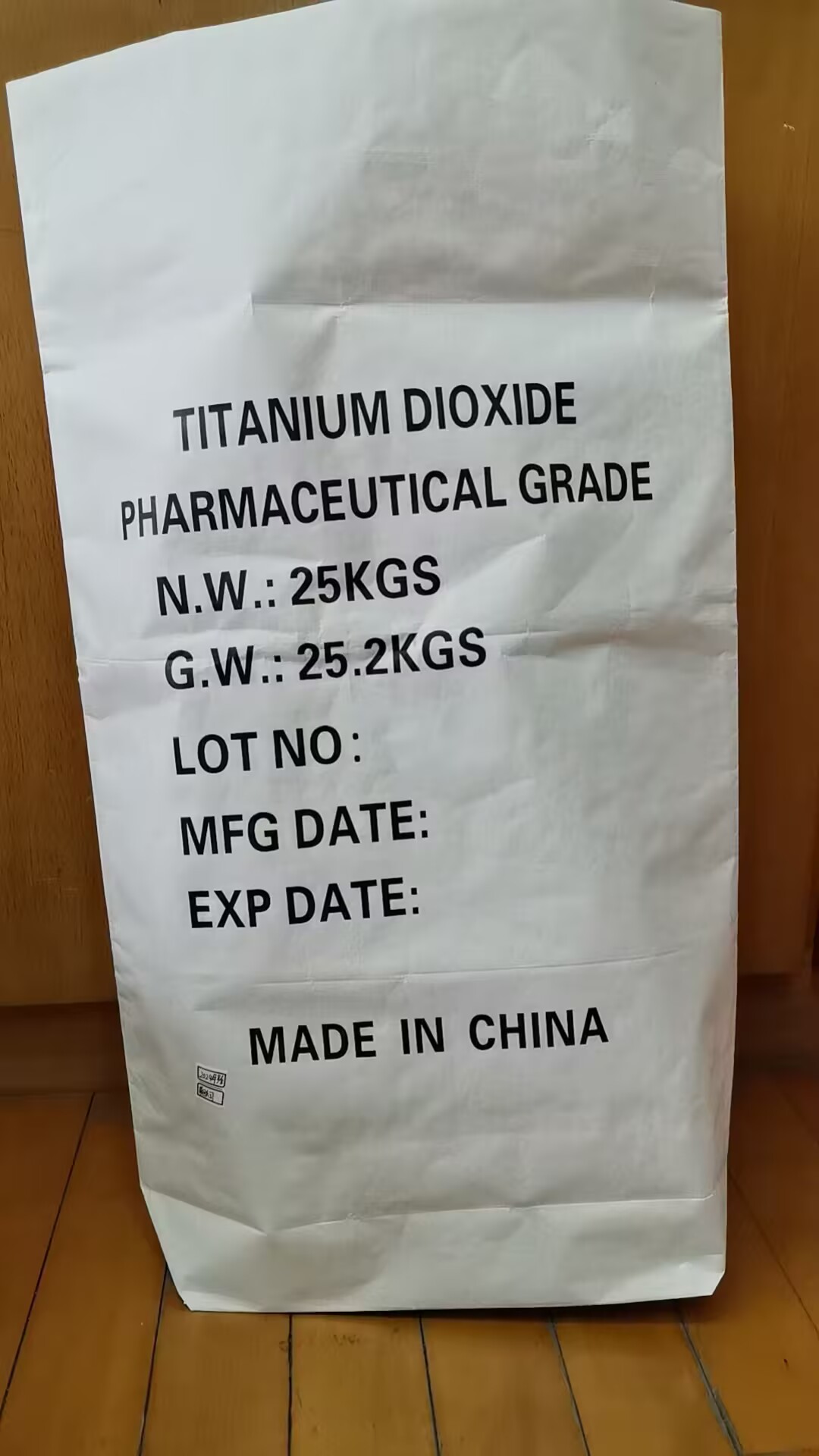
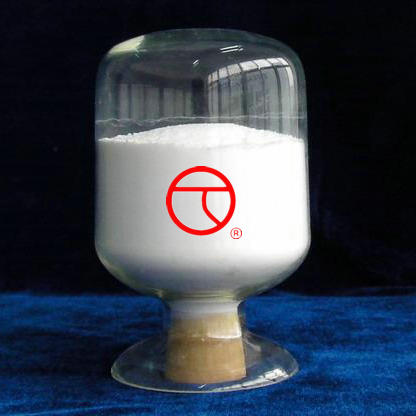
Without a delustering additive, many synthetic fibers would appear too glossy for mainstream textile markets. To control luster during production, manufacturers commonly use anatase titanium dioxide in polyester, nylon, and polypropylene fibers.
Its primary function is to reduce shine and create the dull or semi-dull finish preferred in apparel, home textiles, and technical fabrics. Many producers also value its ability to support a more even dye appearance when dispersion is properly controlled.
For these reasons, anatase-grade TiO₂ remains widely used across chemical fiber production lines. The sections below explain how it works, where it performs best, and what buyers should evaluate before choosing a supplier.
What Makes Anatase Titanium Dioxide Unique for Fiber Production
Not all titanium dioxide powders perform equally inside a polymer melt. Fiber production places strict demands on pigment performance, and anatase TiO₂ is often selected because it meets those needs consistently.
Crystal Morphology and Optical Behavior
Anatase titanium dioxide has a tetragonal crystal structure with a refractive index of approximately 2.55. This moderate index, lower than the 2.76 of rutile TiO₂, is precisely what fiber manufacturers need. When dispersed inside a polymer matrix such as polyester or nylon, anatase particles scatter light efficiently enough to reduce gloss from a mirror-like or “bright” finish to a soft, natural matte appearance—known in the trade as semi-dull or full-dull. Higher refractive index particles would over-scatter light, creating opacity and whiteness that mask the fiber’s true color, while lower-index fillers like calcium carbonate would fail to break surface gloss at all.
The anatase crystal also produces a characteristic blue-toned whiteness rather than the yellowish undertone sometimes seen with rutile. This cool cast is highly valued in textile applications because it does not distort subsequent dye shades.
✅ Key optical advantage: When a manufacturer dyes a polyester shirt or a nylon carpet, the underlying fiber’s base whiteness affects the final color; anatase’s neutral-to-cool tone preserves color accuracy, especially for pastels and bright shades.
Hardness and Equipment Protection
On the Mohs hardness scale, anatase titanium dioxide measures between 5.5 and 6.0, while rutile titanium dioxide registers 6.0 to 6.5. This difference of less than one point translates into dramatically different abrasive behavior inside an extruder or melt pump. Spinneret plates—the precision-made metal discs with microscopic holes that shape molten polymer into fibers—are extremely sensitive to abrasive particles.
Why is softer better for your production line:
-
Less scratching of spinneret orifice walls
-
Extended spinneret life by 25–40% in typical polyester filament lines
-
Reduced particle-induced melt contamination
-
Lower frequency of maintenance stops and part replacements
For manufacturers running high-speed spinning equipment at 3,000 to 6,000 meters per minute, every hour of unplanned downtime costs thousands of dollars in lost output. Switching from rutile to anatase titanium dioxide reduces wear-related maintenance stops, lowers replacement parts costs, and improves overall equipment effectiveness (OEE).
Dispersion Quality and Polymer Compatibility
Fiber-grade anatase TiO₂ is surface-treated with inorganic coatings—typically aluminum oxide, silicon dioxide, or a combination—to improve its dispersion in organic polymers. Without proper dispersion, pigment particles agglomerate, creating “fisheries” or specks in the finished fiber that degrade tensile strength and cause breakage during weaving or knitting.
Modern anatase products achieve a mean particle size of 0.2–0.3 microns with a narrow size distribution. This range is optimal because:
-
Particles below 0.1 microns → excessive agglomeration
-
Particles above 0.5 microns → act as stress concentrators, weakening the fiber
-
0.2–0.3 microns → ideal balance of light scattering and mechanical integrity
Data from industry trials indicate that well-dispersed anatase titanium dioxide at a loading of 0.3% to 0.5% by weight in polyester produces a consistent semi-dull finish without reducing tenacity by more than 2–3%.
Core Functional Advantages in Chemical Fiber Manufacturing
Why do chemical fiber producers specifically choose anatase titanium dioxide over other delustering agents such as rutile TiO₂, zinc sulfide, or barium sulfate? The advantages fall into four technical categories.
Precise Gloss Control from Semi-Dull to Full-Dull
Textile markets classify fiber gloss into three levels:
| Gloss Level | Anatase Loading (typical) | End-use example |
|---|---|---|
| Bright | 0% | Special effect yarns, technical filaments |
| Semi-dull | 0.3–0.4% | Polyester staple for cotton-blend apparel |
| Full-dull | 0.8–1.0% | Nylon filament for lining fabrics, outerwear |
Anatase titanium dioxide allows manufacturers to dial in gloss precisely across this range. For polyester staple fiber used in cotton-blend apparel, a semi-dull finish mimics the natural luster of cotton. For nylon filament used in lining fabrics or outerwear, a full-dull finish eliminates all visible shine, creating a leather-like or suede-like visual effect.
⚠️ This flexibility does not exist with alternative pigments. Zinc sulfide has a refractive index of only 2.37, requiring double the loading to achieve the same delustering effect, which raises costs and risks mechanical property loss. Barium sulfate (index 1.64) is nearly ineffective as a delusterant in synthetic fibers.
Improved Dye Uniformity and Color Yield
A lesser-known advantage of anatase titanium dioxide is its effect on dye take-up. Semi-dull and full-dull fibers disperse dye molecules more evenly than bright fibers because the pigment particles create a slightly irregular surface topography at the microscopic level. This micro-roughness improves dye diffusion into the amorphous regions of the polymer.
Comparative trial results using disperse dyes on polyester fabric:
-
Bright fiber (no TiO₂): dye splotchiness, required 15% longer dyeing cycles
-
Fiber with anatase TiO₂ (0.4% loading): uniform color in standard cycle times, no additional dispersing agents
Furthermore, anatase does not chemically react with most disperse, acid, or reactive dyes, ensuring predictable color matching batch after batch. Dye houses report fewer shading corrections when processing fabrics made from anatase-delustered fibers compared to fibers delustered with other white pigments.
Photoactivity Management for Indoor Textiles
One historical criticism of anatase titanium dioxide is its higher photocatalytic activity compared to rutile. Under prolonged UV exposure, anatase can generate free radicals that degrade surrounding polymer matrices, causing chalking or strength loss. However, the chemical fiber industry has solved this through two strategies:
-
Surface coating technologies – Alumina or silica treatments passivate the anatase surface, significantly reducing UV-induced reactivity without altering the optical properties. Modern fiber-grade anatase products exhibit photoactivity levels 70–80% lower than uncoated anatase.
-
Application selection – Chemical fibers are often intended for indoor applications: apparel, upholstery, bedding, automotive interiors, and carpets. These environments receive minimal direct UV exposure, so photocatalytic degradation is negligible over the product’s useful life.
For outdoor textiles (awnings, geotextiles, outdoor furniture), manufacturers either use rutile TiO₂ or add UV stabilizers alongside anatase.
Cost-Effectiveness and Supply Chain Reliability
Anatase titanium dioxide typically costs 10–20% less per ton than high-performance rutile grades because the anatase production process (the sulfate route) is less energy-intensive than the chloride route used for most rutile pigments.
Example cost impact for a mid-sized fiber plant:
For a chemical fiber plant producing 50,000 tons of polyester annually, switching from rutile to anatase for delustering can save 500,000 per year in raw material costs alone, assuming a typical loading of 0.4%.
Moreover, anatase is available from multiple global suppliers, reducing supply chain risk. Fiber producers in Asia, Europe, and North America can source consistent quality anatase titanium dioxide from sulfate-process plants that have operated for decades, with stable ore supply from ilmenite and titanium slag.
Application Scenarios Across Different Fiber Types
The use of anatase titanium dioxide varies by polymer type and end-use market. The following table summarizes typical loadings and performance expectations.
| Fiber Type | Typical Anatase Loading | Achieved Finish | Key Benefit |
|---|---|---|---|
| Polyester (POY, DTY, FDY) | 0.3–0.5% | Semi-dull / Full-dull | Improved dye uniformity, reduced spinneret wear |
| Nylon 6 / Nylon 66 | 0.2–0.4% | Semi-dull | Soft hand feel, resistance to yellowing during heat setting |
| Polypropylene | 0.5–0.8% | Full-dull | High opacity for nonwovens, UV screening |
| Viscose (Rayon) | 0.4–0.7% | Matte | Prevents fiber transparency, improves drape |
| Acrylic | 0.3–0.6% | Semi-dull | Consistent gel-dyeing results |
Polyester Filament and Staple (Detailed)
Polyester accounts for over 60% of global chemical fiber production. In partially oriented yarn (POY), drawn textured yarn (DTY), and fully drawn yarn (FDY), anatase titanium dioxide is added as a masterbatch during melt spinning. The pigment must withstand temperatures of 280–300°C without decomposing or discoloring. Anatase TiO₂ is thermally stable up to approximately 900°C, well above processing temperatures, making it ideal.
Staple fiber for cotton blending requires particularly fine dispersion. If the anatase particles aggregate, the resulting fiber shows “tiger stripes” or dark streaks after dyeing. Top-tier fiber-grade anatase products guarantee a dispersion rating of 5.0 (no visible specks) at 400× magnification.
Nylon (Polyamide) for Apparel and Carpets
Nylon fibers are more sensitive to abrasion than polyester because nylon has lower hardness. Using rutile TiO₂ in nylon causes significant spinneret wear and generates fines that contaminate the melt. Anatase titanium dioxide is the preferred choice for all nylon delustering applications.
🧵 Additional benefit: Anatase does not catalyze nylon degradation during the heat setting process (180–200°C), whereas certain unpurified rutile grades can cause yellowing.
In carpet fibers, anatase at 0.4–0.6% loading produces a rich matte finish that hides soiling and gives residential and commercial carpets a premium appearance.
Polypropylene Nonwovens
Medical gowns, hygiene products, and filtration media use polypropylene nonwovens that require high opacity without whiteness. Anatase titanium dioxide at 0.6–0.8% loading creates a full-dull, opaque sheet that prevents see-through, critical for surgical drapes and adult incontinence products.
Unlike rutile, anatase does not interfere with the electret charging process used to make melt-blown filtration media, preserving filtration efficiency.
Technical Comparison – Anatase vs. Alternatives in Fiber Production
| Parameter | Anatase TiO₂ | Rutile TiO₂ | Zinc Sulfide (ZnS) | Barium Sulfate (BaSO₄) |
|---|---|---|---|---|
| Refractive Index | 2.55 | 2.76 | 2.37 | 1.64 |
| Delustering Efficiency (per % loading) | High | Very high | Medium | Very low |
| Abrasiveness | Low | Medium–High | Low | Very low |
| Thermal Stability | Excellent (>900°C) | Excellent | Good (decomposes >500°C) | Excellent |
| UV Resistance (outdoor) | Medium (coated: good) | Excellent | Poor | Poor |
| Cost per ton (relative) | Baseline | +15-25% | +10-20% | -30% |
| Preferred Fiber Application | All indoor textiles | Outdoor/technical fibers | Specialty low-abrasion uses | Ineffective as a delusterant |
This comparison demonstrates why anatase titanium dioxide occupies the “sweet spot” for the vast majority of chemical fiber applications: high efficiency, low abrasion, moderate cost, and proven reliability.
Practical Considerations for Fiber Manufacturers
Masterbatch Formulation and Let-Down Ratio
Most fiber producers do not add raw anatase powder directly to the extruder. Instead, they purchase a masterbatch containing 20–40% anatase titanium dioxide pre-dispersed in a compatible polymer carrier. The masterbatch is then “let down” at ratios of 1:50 to 1:200, depending on target gloss.
💡 Pro tip: Using a masterbatch ensures consistent dispersion and avoids dust handling issues (TiO₂ is a fine powder that requires respiratory protection in its raw form).
Quality Control Metrics – What to Request from Suppliers
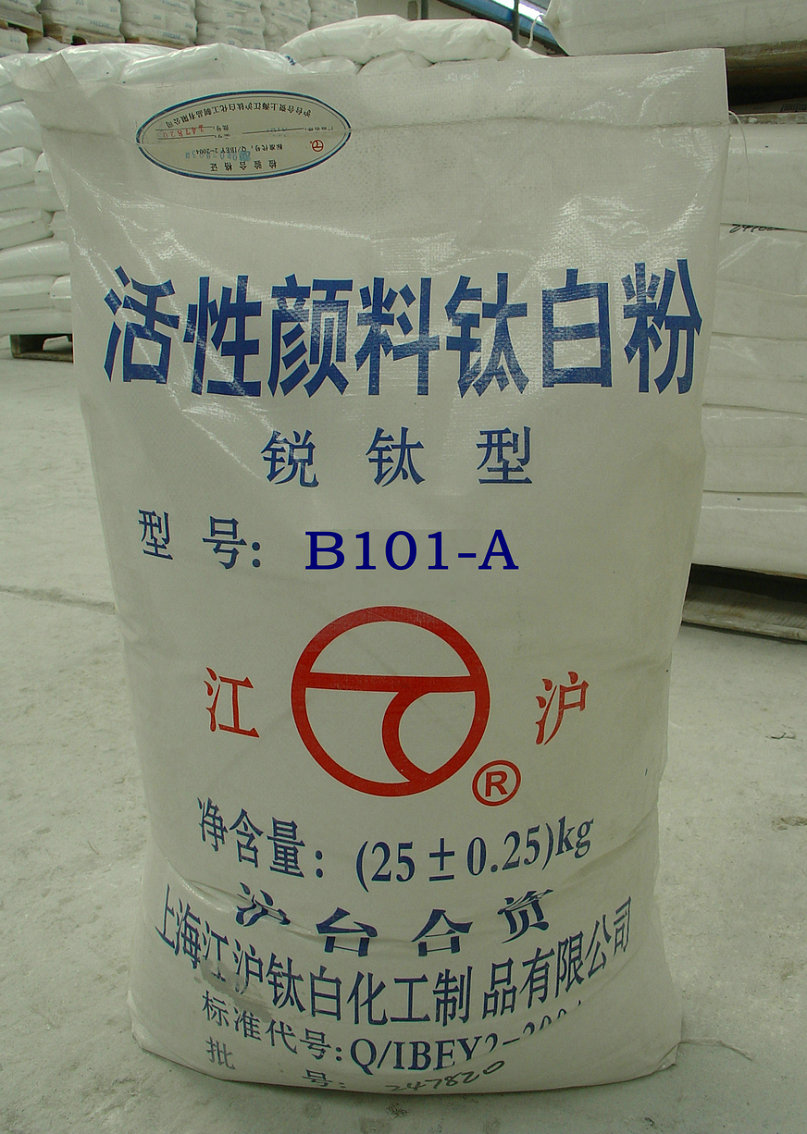
Reliable suppliers of fiber-grade anatase titanium dioxide provide certificates of analysis showing:
-
Particle size D50 (median): 0.22–0.28 microns
-
Moisture content: below 0.5%
-
Whiteness (CIE L value):* ≥97
-
Residue on 325-mesh sieve: ≤0.01%
-
Alumina or silica coating level: 1–3%
📋 Buyer’s checklist: Request a dispersion test using a 25-micron drawdown or a plaque evaluation before full-scale trials.
Handling and Safety
Anatase titanium dioxide is classified as a nuisance dust (not carcinogenic in the anatase form based on current IARC evaluations, though inhalation of any fine dust should be avoided). Standard industrial hygiene measures include:
-
Dust collection systems
-
Local exhaust ventilation
-
N95 respirators for manual handling (where dust is generated)
The material is non-flammable and chemically stable under normal storage conditions.
FAQ
Q1: Can anatase titanium dioxide be used together with rutile in the same fiber batch?
Yes, but it is uncommon. Mixing changes the gloss unpredictably. Manufacturers typically choose one grade for consistent results.
Q2: Does anatase titanium dioxide affect fiber tensile strength?
At standard loadings (0.3–0.6%), properly dispersed anatase reduces tensile strength by less than 3%—acceptable for most textile applications.
Q3: How do I know if my supplier provides true fiber-grade anatase TiO₂?
Request a sieve residue test (325 mesh) and a dispersion rating. Fiber-grade should show ≤0.01% residue and no specks at 400× magnification.
Q4: Is anatase titanium dioxide safe for use in infant apparel or bedding?
Yes, anatase is chemically inert and non-migrating. It meets global textile safety standards, including Oeko-Tex and REACH regulations.
Q5: What is the shelf life of anatase titanium dioxide masterbatch?
Stored in dry, sealed containers away from direct sunlight, masterbatch retains full performance for 12–18 months. Avoid moisture uptake.
Conclusion
Anatase titanium dioxide has earned its place as the dominant delustering agent in chemical fiber production because it delivers precisely what manufacturers need:
-
✅ Controlled gloss (semi-dull to full-dull)
-
✅ Low abrasion → longer spinneret life
-
✅ Excellent dispersion → fewer defects
-
✅ Dye-friendly optical properties
-
✅ Cost-effectiveness
From the world’s largest polyester staple producers to specialized nylon filament mills, the fiber industry relies on this specific crystalline form of TiO₂ to turn transparent polymer melts into the soft, natural-looking fabrics that consumers demand.
If you are sourcing for a new fiber line, troubleshooting poor delustering performance, or comparing alternative pigments, start with a qualified fiber-grade anatase titanium dioxide supplier. Request product data sheets, sieve residue guarantees, and a sample for in-house extrusion trials.
🏭 Looking to optimize gloss control in your fiber line?
Contact a trusted anatase titanium dioxide supplier today to request technical specifications, pricing, and a trial sample tailored to your polymer and target gloss level.
