 Skip to content
Introduction
Ever wondered why mineral sunscreens and foundations feel so gentle yet protect so well? The answer is simple: cosmetics titanium dioxide. This powerhouse ingredient blocks UV rays, evens skin tone, and works safely on sensitive skin—no harsh chemicals, no irritation.
In this guide, we’ll explain how it works, why formulators love it, and answer the key questions you might have before using it.
What Exactly Is Cosmetics Titanium Dioxide and How Does It Work?
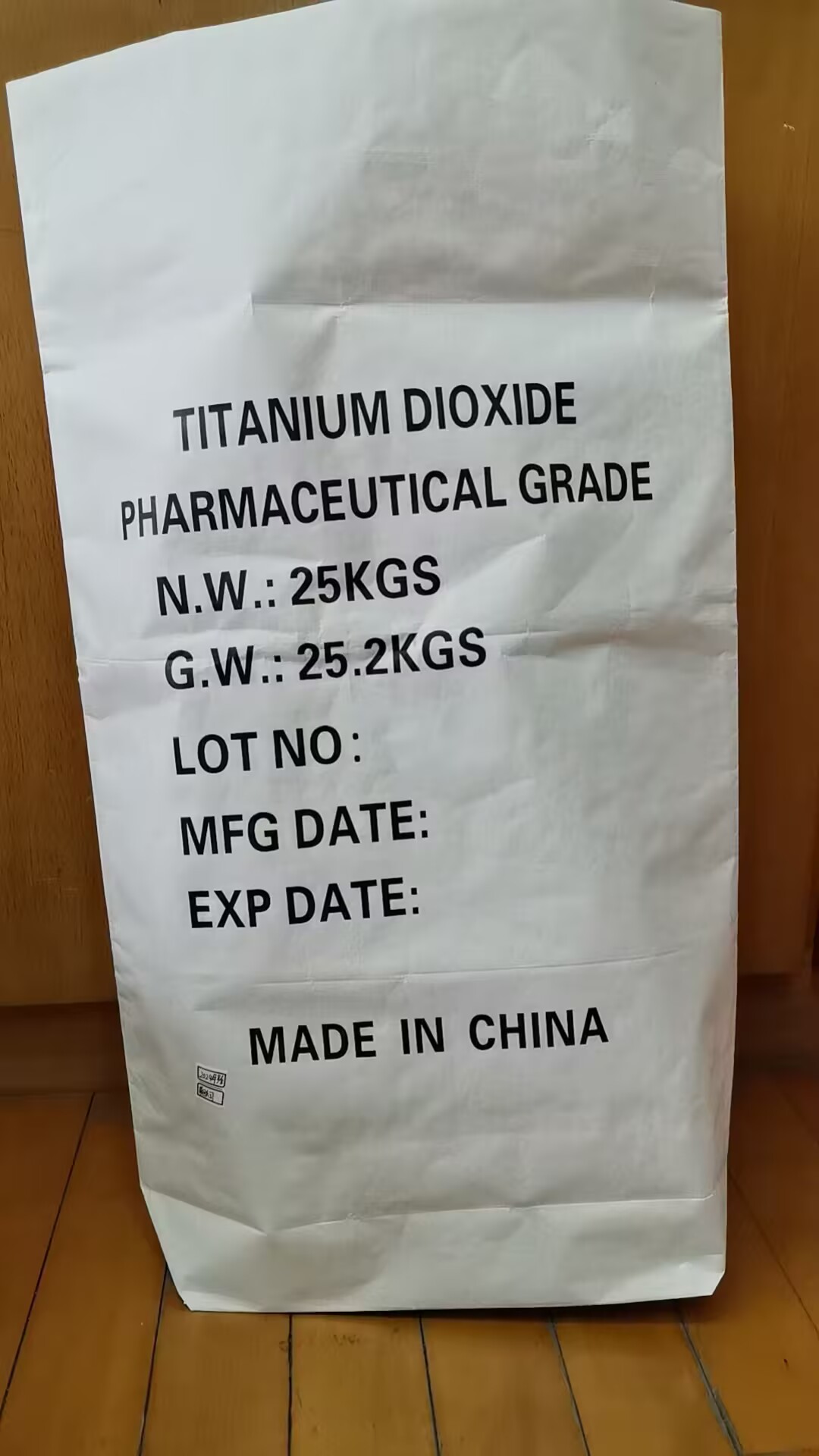
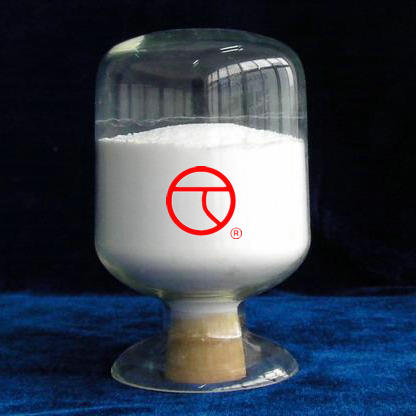
Titanium dioxide is a naturally occurring mineral. For cosmetics, it is carefully refined and milled into specific particle sizes. Unlike industrial grades, cosmetics titanium dioxide is tested for purity, heavy metals, and skin safety.
When you apply a sunscreen or a foundation containing this ingredient, two physical actions happen at the same time:
-
Reflection and scattering – The particles bounce UV rays away from your skin like tiny mirrors.
-
Absorption – A portion of UV energy is absorbed and converted into harmless heat.
Because of these dual actions, you do not need to wait for it to “activate” on your skin. It works the moment you apply it. That is a major difference from many chemical sunscreens that require 15–20 minutes before becoming effective.
Particle Size Determines Everything
Not all titanium dioxide feels the same on your skin. The particle size changes both the protection profile and the sensory experience.
| Particle Type | Typical Size | UV Protection | Skin Feel & Appearance |
|---|---|---|---|
| Conventional (non-nano) | >100 nm | Good UVB, poor UVA | Whitish cast, heavier texture |
| Fine-particle (nano) | 20–50 nm | Strong UVB, moderate UVA | Transparent or sheer, lightweight |
| Surface-coated | 20–80 nm (with silica/alumina) | Broadened UV coverage | Improved dispersion, less whitening |
Most modern sunscreens use surface-coated, fine-particle cosmetics titanium dioxide to balance transparency and protection. Coating also prevents photocatalytic activity—something we will explain in the FAQ section.
Why Sunscreen Formulators Prefer It Over Chemical Filters
Walk into any natural or sensitive-skin sunscreen aisle, and you will see titanium dioxide everywhere. There are three hard reasons why.
1. Broad UVB Protection and Some UVA Coverage
Titanium dioxide excels at blocking UVB rays (280–315 nm), which are primarily responsible for sunburn and DNA damage. It also covers the lower part of the UVA spectrum (315–340 nm). For complete UVA protection up to 400 nm, formulators often combine it with zinc oxide. But on its own, cosmetics titanium dioxide already handles most of the high-energy UV threat.
2. Extremely Low Skin Irritation
Chemical filters like oxybenzone, octinoxate, and homosalate cause allergic reactions or stinging sensations in many people—especially those with rosacea, eczema, or sensitive skin. Titanium dioxide sits on top of the skin and does not penetrate. Clinical dermatology references consistently rate it as one of the least irritating UV filters available.
3. Photostable and Reliable
Many chemical filters degrade when exposed to sunlight, losing up to 30–50% of their SPF within an hour. Titanium dioxide does not degrade. It is naturally photostable. What you apply at 8 a.m. still provides the same level of protection at noon, assuming you do not wipe or sweat it off.
How Cosmetics Titanium Dioxide Transforms Makeup
Sunscreens get most of the attention, but the makeup industry depends just as heavily on this ingredient.
-
Foundations, Concealers, and Powders
Have you ever wondered how a foundation covers redness, dark spots, or acne marks without looking like thick paint? The secret is often cosmetics titanium dioxide. It provides opacity and coverage while reflecting light in a soft, flattering way. Unlike pure pigments that can look flat, titanium dioxide creates a natural, skin-like finish.
For oily skin types, micronized titanium dioxide also absorbs excess sebum to a moderate degree, helping makeup stay matte longer.
-
Primer and BB Creams
In multi-functional products like BB creams and tinted moisturizers, titanium dioxide pulls double duty: it provides light-to-medium coverage during the day while adding a base level of sun protection. Of course, the SPF from a BB cream alone is rarely enough for a full beach day, but for incidental exposure (commuting, working near a window), it offers a meaningful safety net.
-
A Real-World Scenario: The Office Worker with Sensitive Skin
Imagine Sarah. She has rosacea and hates the feeling of heavy sunscreens. Most chemical sunscreens make her face sting within minutes. She switches to a mineral foundation that contains cosmetics titanium dioxide as the first ingredient. The foundation covers her redness beautifully, does not sting at all, and provides an SPF of around 30 for her daily train commute and lunchtime walk. For her, this is not just makeup—it is skincare and sun protection combined.
Technical Features That Matter to Formulators
If you are developing a product, you need to look beyond “titanium dioxide” on an ingredient list. The grade and treatment determine success or failure.
-
Hydrophobic vs. Hydrophilic Surface Treatment
Untreated titanium dioxide is hydrophilic (water-loving). That makes it clump in oil-based formulas. For sunscreens and long-wear foundations, manufacturers apply a hydrophobic coating—often with triethoxycaprylylsilane, alumina, or dimethicone. This treated cosmetics titanium dioxide disperses easily in oils, resists sweat and water, and feels smooth on the skin.
-
Dispersion Quality
Poor dispersion leads to white streaks and patchy UV protection. High-quality cosmetics titanium dioxide comes as either a powder or a pre-dispersed slurry. Pre-dispersed slurries save production time and eliminate dust, which is a major advantage for contract manufacturers and large-scale brands.
-
Whiteness Control
For transparent sunscreens, the industry has moved toward nano-sized particles that scatter less visible light. But for foundations and concealers, a controlled amount of whiteness is actually desirable—it helps adjust shades for fair skin tones and provides the opacity needed to cover imperfections.
Cosmetics Titanium Dioxide vs. Zinc Oxide vs. Chemical Filters
A quick comparison helps clarify where titanium dioxide wins and where it needs help.
| Feature | Cosmetics Titanium Dioxide | Zinc Oxide | Chemical Filters (e.g., avobenzone, octisalate) |
|---|---|---|---|
| UVB protection | Excellent | Good | Excellent |
| UVA protection | Moderate (partial) | Excellent (full) | Varies; avobenzone degrades quickly |
| Whitening on skin | Low to moderate (nano – low; non-nano – high) | Moderate to high | None |
| Irritation potential | Very low | Very low | Moderate to high for sensitive skin |
| Photostability | Excellent | Excellent | Poor to moderate (needs stabilizers) |
| Texture & feel (modern formulas) | Light, sheer | Slightly heavier | Very light, invisible |
Use titanium dioxide alone for high SPF with minimal whitening, or combine it with zinc oxide for the most complete broad-spectrum protection (UVA + UVB) in a mineral sunscreen.
Why “Nano” Is Not a Dirty Word—But Transparency Matters
Some consumers actively avoid “nano” particles due to safety concerns. Here is the reality based on regulatory assessments from the European Commission’s SCCS and the FDA.
When applied to intact skin, nano-sized cosmetics titanium dioxide do not penetrate the viable layers of the epidermis. The stratum corneum (the outermost skin layer) effectively blocks these particles. The only caution is for spray applications—inhaled nano particles are a different matter. For lotions, creams, and pressed powders, the safety record is solid.
That said, if a brand markets itself as “non-nano,” it usually means particles larger than 100 nm. These provide more whitening and a heavier feel but give some consumers peace of mind. Both choices are valid depending on your target audience.
Common Mistakes When Using Titanium Dioxide in Formulas
Even experienced formulators sometimes get these wrong.
Mistake 1: Relying on Titanium Dioxide Alone for UVA Protection
For daily use, this is fine. But for high-exposure scenarios (beach, skiing, high altitude), combine it with zinc oxide or include a UVA booster. Otherwise, your product will have a UVB-heavy protection curve.
Mistake 2: Using Untreated Powder in Oil-Based Sunscreens
Untreated powder agglomerates. You end up with a gritty texture, poor SPF uniformity, and a product that looks amateur. Always use surface-coated cosmetics titanium dioxide for oil-based or emulsion formulas.
Mistake 3: Under-Dispersing in Manufacturing
Titanium dioxide is notoriously hard to disperse. Using a high-shear mixer or purchasing pre-dispersed grades saves days of production headaches.
Consumer Trends: Why Demand Is Still Rising in 2025–2026
Market data from industry reports (Cosmetics Design, Mintel, and the Personal Care Products Council) consistently show that mineral sunscreens and “clean” makeup continue to grow faster than the overall beauty market. Several drivers explain this:
-
Reef-safe regulations – Hawaii, Key West, Palau, and other regions have banned chemical sunscreens containing oxybenzone and octinoxate. Titanium dioxide is a direct replacement.
-
Pregnancy and baby skincare – Doctors often recommend mineral sunscreens for pregnant women and infants due to minimal systemic absorption.
-
Acne-prone and sensitive skin – More consumers identify as sensitive-skinned, and they actively search for formulas with cosmetics titanium dioxide as the primary filter.
Brands that highlight “mineral UV filter” and “gentle for sensitive skin” on their packaging typically see higher conversion rates in the natural beauty segment.
FAQ
1. Is cosmetics titanium dioxide safe for daily use on sensitive skin?
Yes. It is non-comedogenic, rarely causes allergic reactions, and sits on the skin’s surface without penetrating, making it ideal for rosacea, eczema, and post-procedure skin.
2. Will it leave a white cast like old sunscreens did?
Modern micronized and coated grades reduce whitening significantly. For deeper skin tones, look for tinted formulas that combine titanium dioxide with iron oxides.
3. Is nano titanium dioxide harmful if inhaled from spray sunscreens?
Regulatory bodies advise against using loose powder or spray sunscreens with nanoparticles due to inhalation risks. Use lotions, sticks, or creams instead for complete safety.
4. Can I use cosmetics titanium dioxide in anhydrous formulas (e.g., balms, sticks)?
Absolutely. It disperses well in oils and butters when properly coated. Balms and sticks are excellent delivery systems for mineral sunscreens.
5. How does it compare to zinc oxide for UVA protection?
Zinc oxide is better for full UVA protection (up to 380–400 nm). Titanium dioxide is better for UVB and high SPF. Many premium mineral sunscreens use both.
Conclusion: Make the Smart Ingredient Choice
Cosmetics titanium dioxide isn’t flashy, but it’s a proven, reliable, and gentle mineral that delivers real results—UVB protection, coverage, photostability, and skin-friendly performance. Choosing the right grade can turn a good product into a standout one.
Check your formulation: is your titanium dioxide coated? Is the particle size suited to your texture goals? When sourcing, request detailed specs on surface treatment, particle size, and dispersion.
Ready to elevate your products? Contact us for samples, formulation guidance, and bulk pricing. Let’s create your next clean beauty success.
